
Politics · 6 Oct 2026
France Sent Riot Police to Its Classrooms Before It Sent Plumbers.




The Outsider's take
The Outsider, 6 October 2026
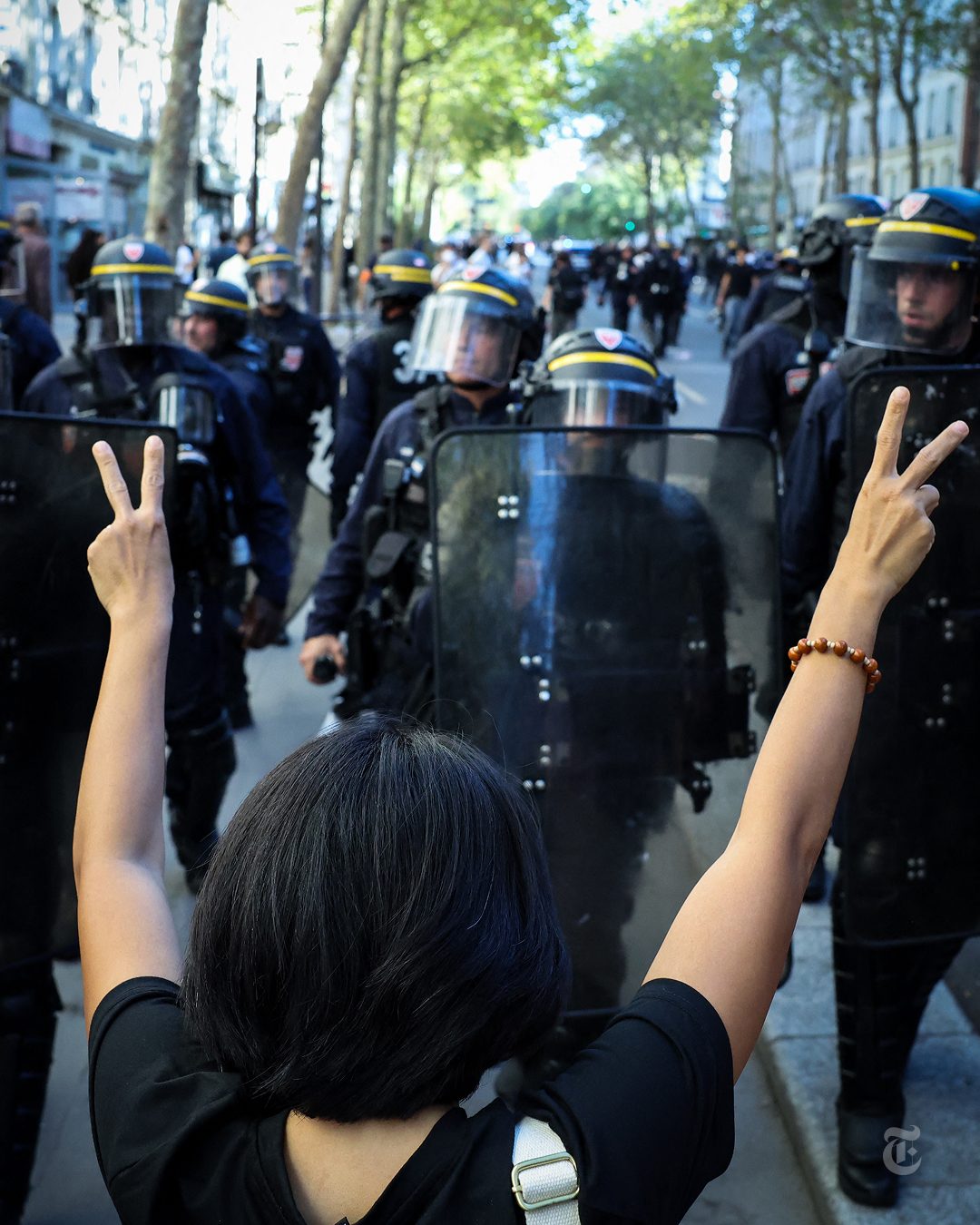
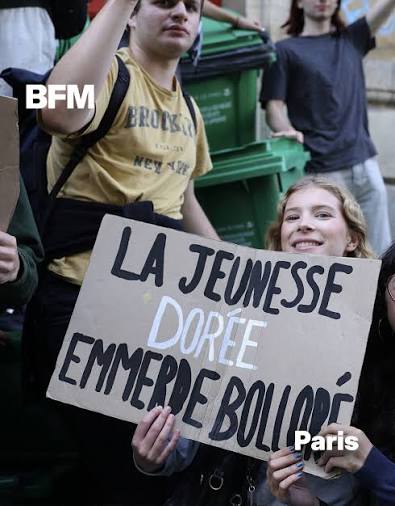
A 15-year-old in Lens lost a hand on Monday. Whatever exploded in his hand, reportedly a stun grenade or a riot-police rubber-ball round, he should have been in a classroom, not in a hospital bed. So far, the state's answer to the youth uprising has been mass custody: 5,060 people taken in, 87% of them minors, and 14 jailed. Where is the answer to what the students are actually asking for?
They told us what they want
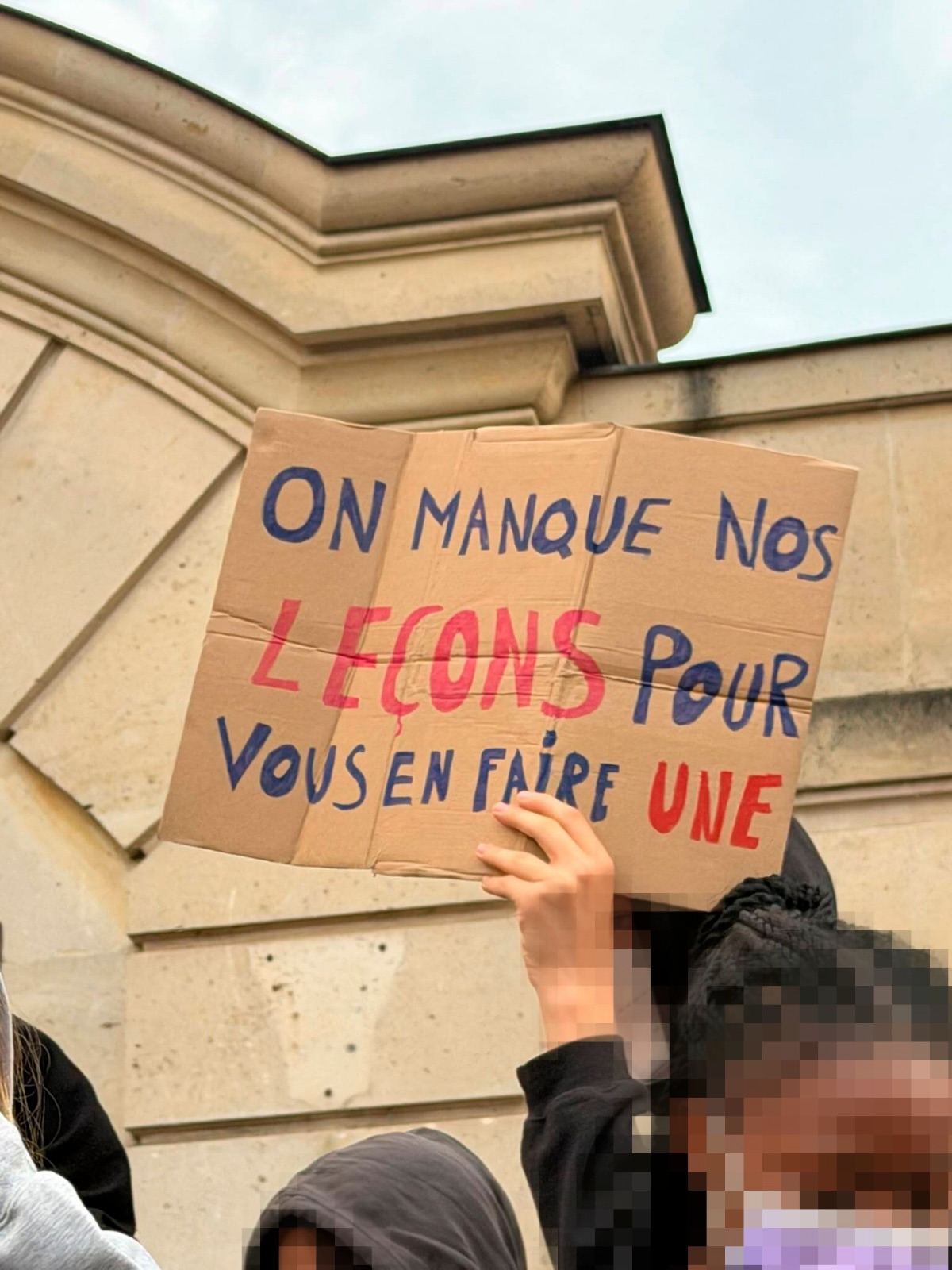
Nobody has to guess. The students want teachers replaced when they are absent, smaller classes than the 35-plus pupils now crammed into some rooms, and buildings that are not falling apart. One protester told CBS about ceilings collapsing, water in the walls and rats. They also want Parcoursup, the university-admissions platform, reformed. Some call for scrapping it, and one 16-year-old described the stress around it as a growing "malaise." It is a list of repairs.
The education minister himself called the movement legitimate at the outset, yet he sees the lack of a single national demand as one of its difficulties. That is an odd complaint when the local complaints are the proof: hundreds of schools, hundreds of different failures, one pattern of neglect.
"Go back to work, the kids in China do"
Then came the lecture. LR deputy Philippe Juvin, the budget rapporteur, reportedly told the lycéens to get back to work because "les petits copains en Chine, ils travaillent dur." Read that again. Teenagers are protesting rats in the walls and collapsing ceilings, and a politician who helps shape the nation's budget answers with a lesson in Chinese discipline.
Nobody is asking Chinese pupils to defend this school system, and nobody is asking French lycéens to be less tired. They are asking the state to fix the building. Comparing them with a harsher system abroad tells them that exhaustion is their job. A country that measures its children against that standard has already conceded that its own system isn't working.
Yes, there is violence. Look at who is responding to it
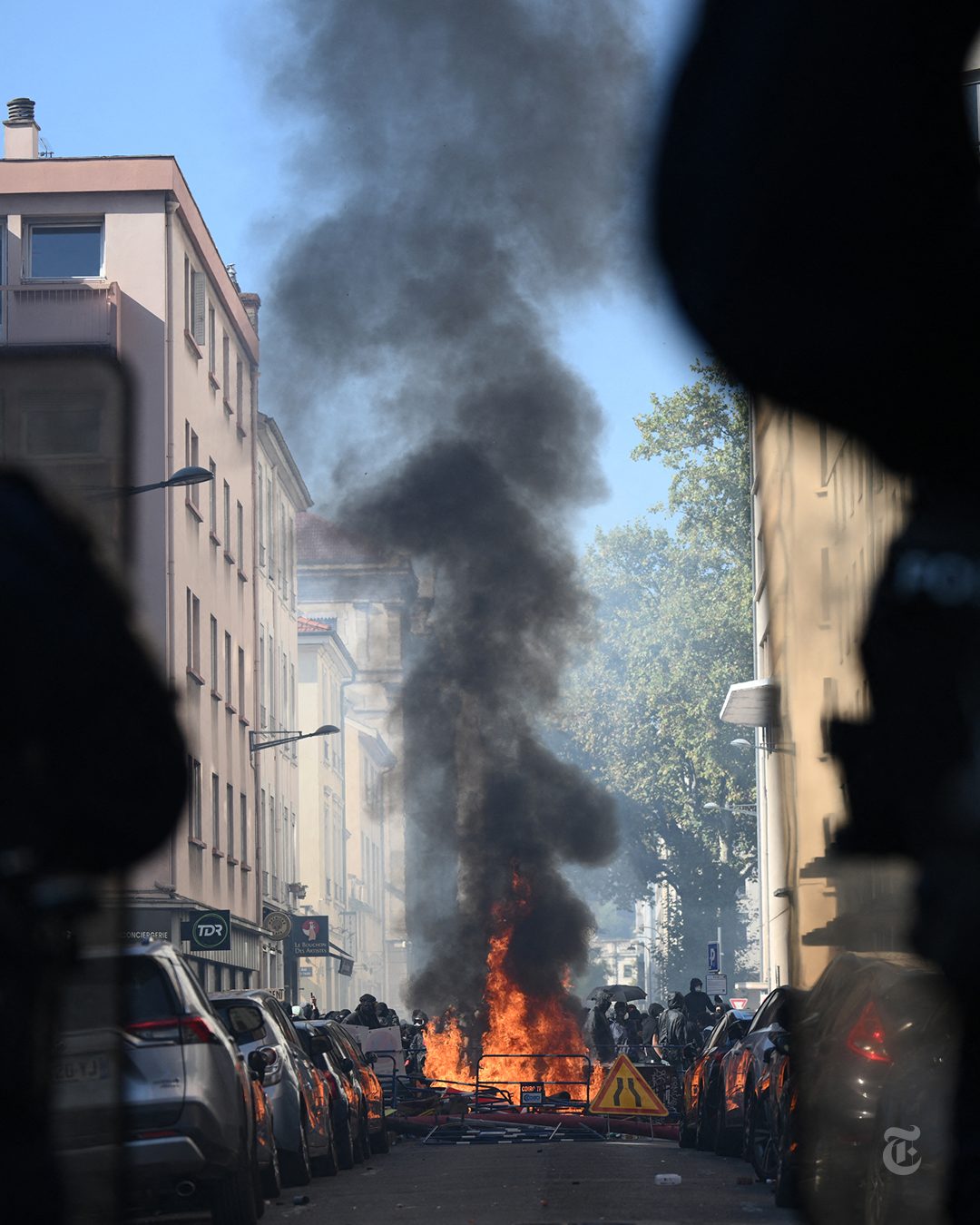
Arson, mortar fire, attacks on staff and a policewoman hurt are real, and nobody serious defends them. Prime Minister Sébastien Lecornu told the Assembly that 215 students and 85 education staff have been injured, calling it the highest number of injured education staff in decades. He also rejected accusations that the government ordered police to repress the protests. The interior minister says the situation now looks like urban violence. Pretending the violence away would insult the many students who protest peacefully.
But look at the order of operations. The government's loudest early message was that police would intervene against blockades and violence. Meanwhile, nobody can show the students a roof that no longer leaks. The police watchdog has opened ten investigations into police interventions. The inquiries will test the competing accounts, but the question is already out in the open: why are teenagers carrying the injuries of a budget argument?
We have seen this film before
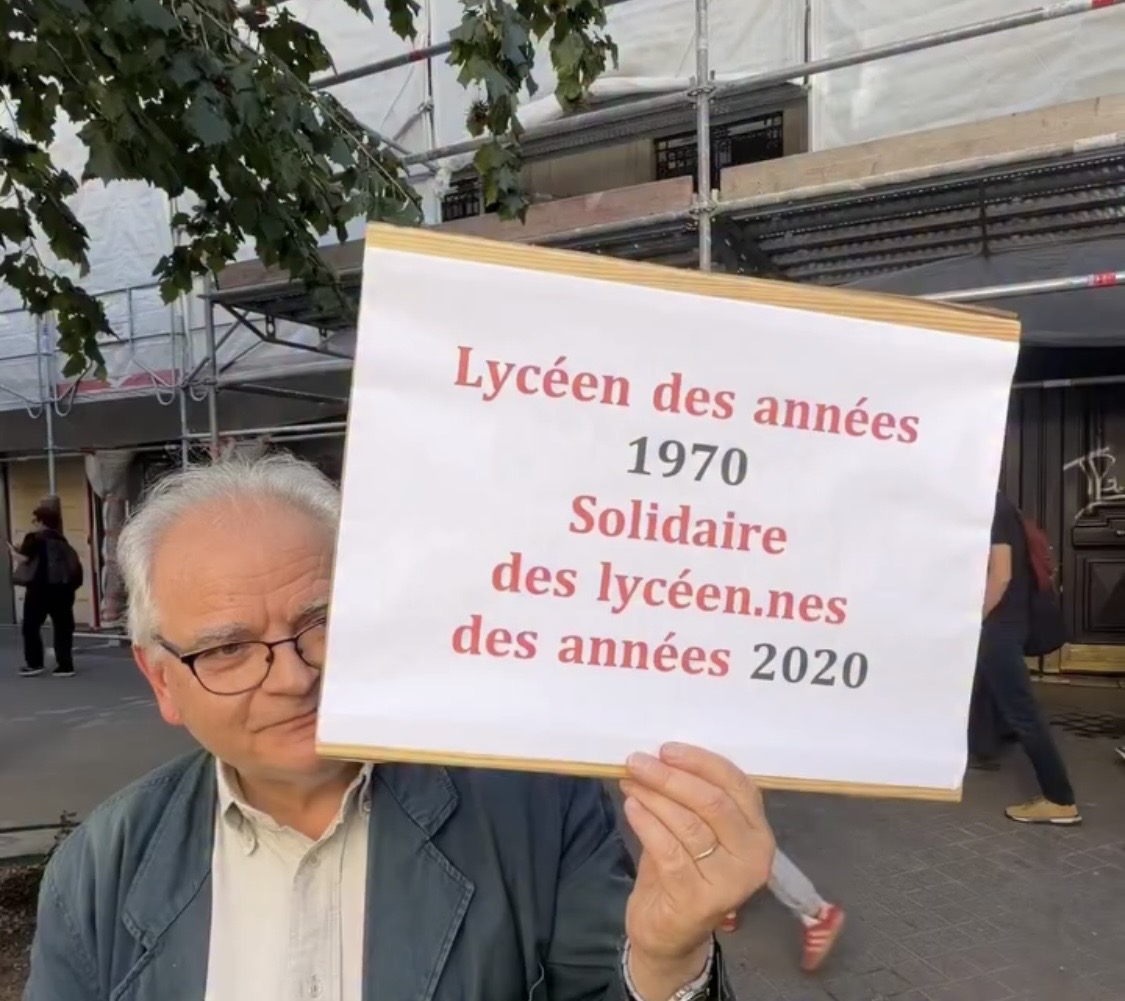
In 2006, students and lycéens helped force Prime Minister Dominique de Villepin to retreat on the CPE. In 2008, the Darcos education reform had to be reworked after high-school protests. Other episodes ended differently. In 2016, a student in Rennes lost the sight of an eye to a flash-ball shot during the Loi Travail protests, and the law passed anyway. In 2018, with Parcoursup again in the line of fire, a 17-year-old was reportedly hit in the face by a flash-ball outside a school in Garges-lès-Gonesse, and Parcoursup is still here. The historian Robi Morder calls blockades, material demands and accusations of outside interference "classic" lycéen mobilisation. That should worry us, not reassure us. It means France keeps replaying the same confrontation and rarely settles what started it.
The politics will try to swallow the protest
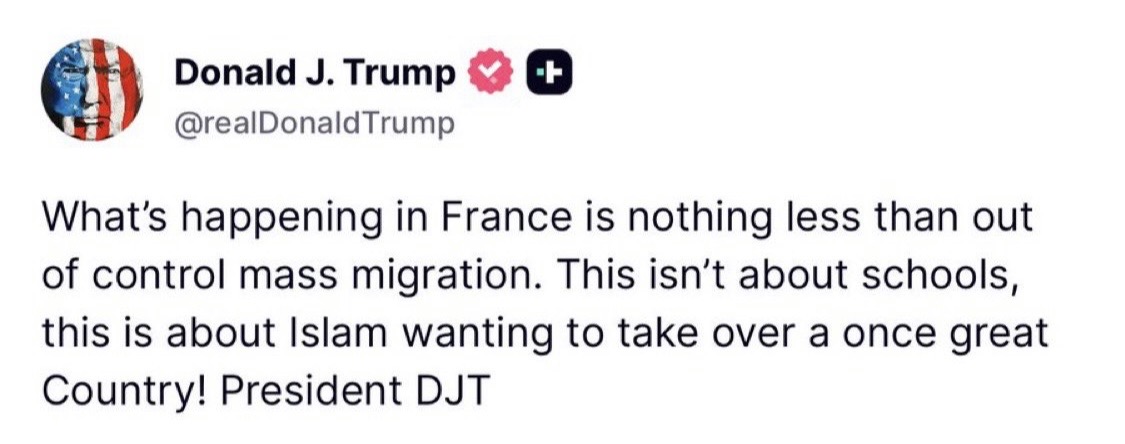
Predictably, the arguments have moved to the usual battlefield. The Prime Minister's services call the movement a manoeuvre by La France Insoumise, and Valérie Pécresse denounces political instrumentalisation. Abroad, some reached for immigration, to explain it all, as said the US president, Donald Trump but the facts don't support that: the stated grievances are classrooms, not borders. With a presidential election in May and Macron unable to run again, everyone wants the movement for their own story. The students were first, and they had a simpler one: on veut le bac, pas la BAC, as one sign in Lille put it, a pun on the school exam and the police anti-crime brigade.
The test
Lecornu has told his ministers to bring the first proposals by the end of October. That deadline is the real story now. If the response is a consultation platform and a tougher policing doctrine, France will have taught a generation that peaceful requests get a form to fill in and an unrepaired ceiling, while the only language the state answers quickly is force. A generation learns its politics from what works. Right now, the lesson on offer is not a flattering one.