
US Midterms 2026 · 13 hr ago
From the Hanging Tree to the Senate Floor: Scott Colom Rewrites Mississippi's History

The Outsider's take
The Outsider · 11 Nov 2026
In 1964, Nina Simone answered the murder of Medgar Evers with "Mississippi Goddam," a song of pure rage at a state where Black life counted for nothing. Six decades later, in the state with the darkest record of racial terror in America, a Black prosecutor is projected to win a U.S. Senate seat — the first Black senator from Mississippi in more than 140 years, and a seat that pushes Democrats' new majority to 55.
For eight days, Mississippi held its breath. On election night, Democrat Scott Colom led Republican Senator Cindy Hyde-Smith by just 43 votes out of more than 925,000 cast. Then the affidavit ballots came in, county by county, and the lead kept growing. On Wednesday, CNN projected that Colom will defeat Hyde-Smith — one of the biggest upsets of the 2026 midterms, in a state most forecasters had rated safely Republican.
With nearly every ballot counted, Colom sits at around 472,000 votes (49.2%) to Hyde-Smith's 467,600 (48.7%), a lead of roughly 4,600. Independent Ty Pinkins took about 2%. The Associated Press has not yet called the race, and Hyde-Smith has not conceded; her campaign says it wants every legally cast vote counted. Colom's team says the math is now closed and is calling on her to step aside.
Latest update — Wednesday 11 November
The race is projected, not finished. CNN has called it for Colom, but the Associated Press still has not, with roughly 99% of the vote counted and fewer than 15,000 ballots left to process. Colom's lead, just a few dozen votes on election night, has climbed past 4,500 as affidavit ballots break heavily his way.
Hyde-Smith has returned to work in Washington and has not conceded. Her campaign says it is "not backing down" and is monitoring the remaining ballots, while the state Republican Party has said it is ready to use every legal avenue available. Mississippi has no automatic recount law, so any recount would have to come through a legal challenge. Colom and the Mississippi Democratic Party are both urging her to concede.
What to watch:
counties must certify their results with the Secretary of State by Friday 13 November, and analysts expect the AP and other outlets to call the race around then. The Outsider will update this story when they do.
If the projection holds, the numbers will matter less than what they mean.
A first that took 145 years
Mississippi has had Black senators before but only two, and only during Reconstruction. Hiram Revels became the first Black person ever to sit in the U.S. Senate in 1870. Blanche K. Bruce, born into slavery, followed in 1875 and became the first Black senator to serve a full term. Both were Republicans, and both were chosen by the state legislature, not by voters.
Then Reconstruction collapsed, and Mississippi slammed the door. The 1890 state constitution was built to strip Black citizens of the vote through poll taxes, literacy tests and terror. No Black Mississippian has sat in the Senate since Bruce left in 1881.
That makes Scott Colom something new in American history: the first Black Mississippian ever elected to the U.S. Senate by the people of Mississippi themselves. He would also be the first Democrat the state has sent to the Senate since 1982.
The history behind the headline :
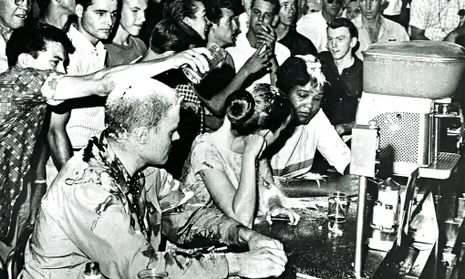
To understand why this result echoes far beyond Jackson, you have to understand what Mississippi was. According to the Equal Justice Initiative, Mississippi recorded more racial terror lynchings than any other state between 1877 and 1950 around 650 documented killings. Many victims were never accused of any crime. They were murdered for speaking out of turn, for owning land, for trying to vote. Crowds gathered to watch. Photographs were sold as postcards.
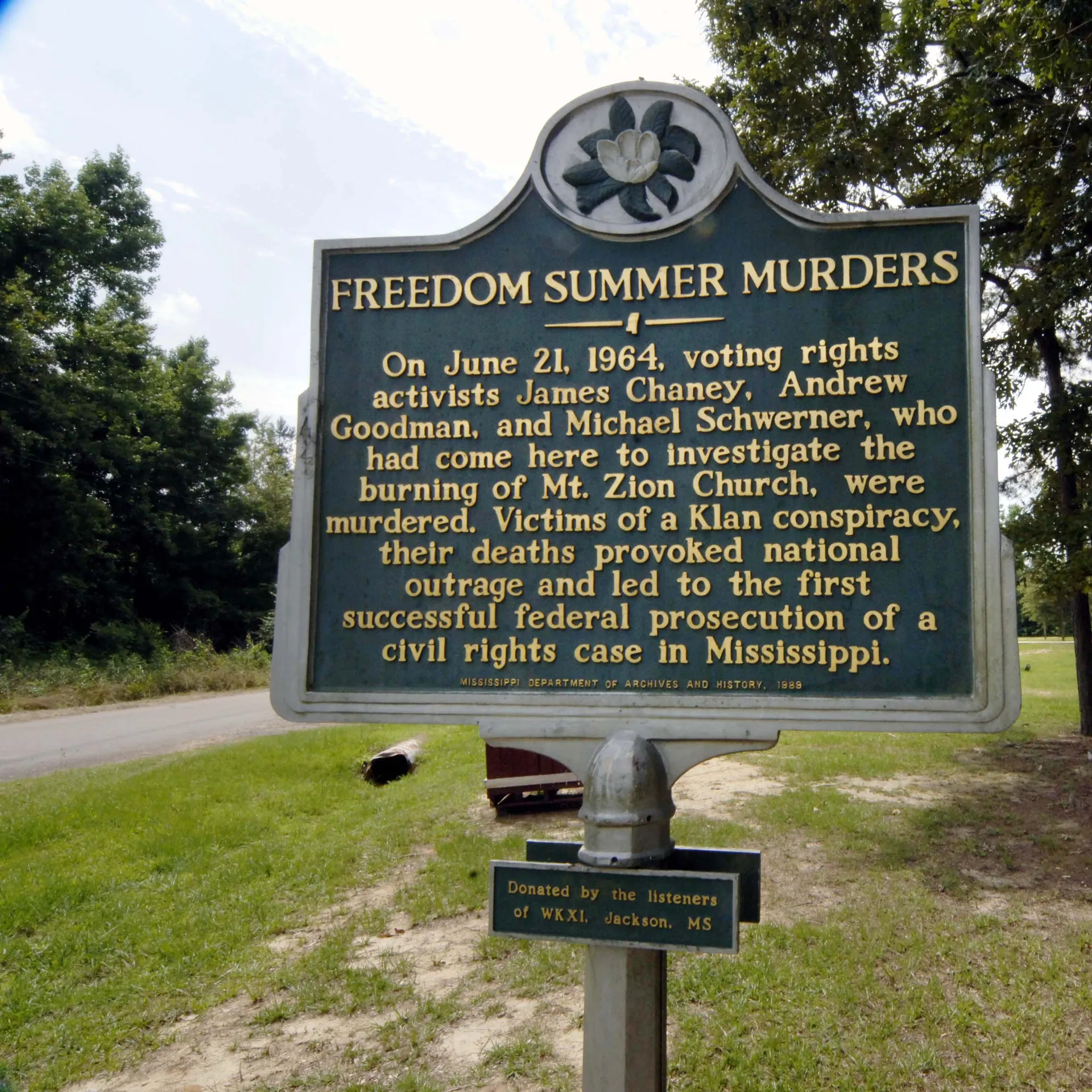
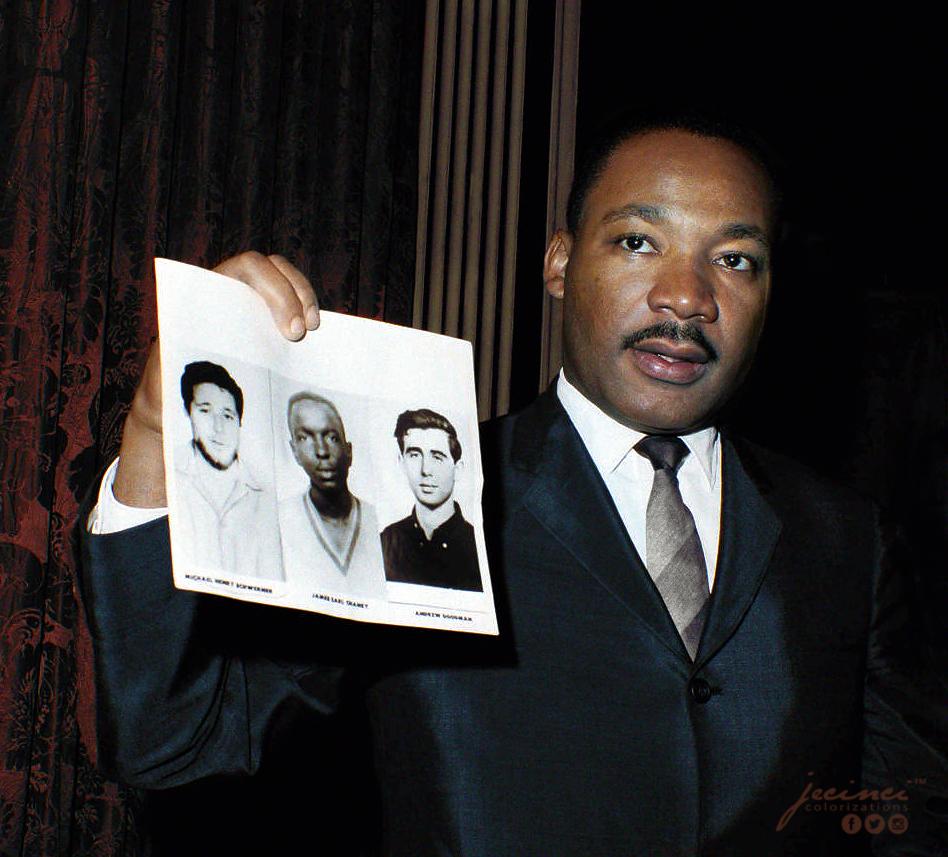
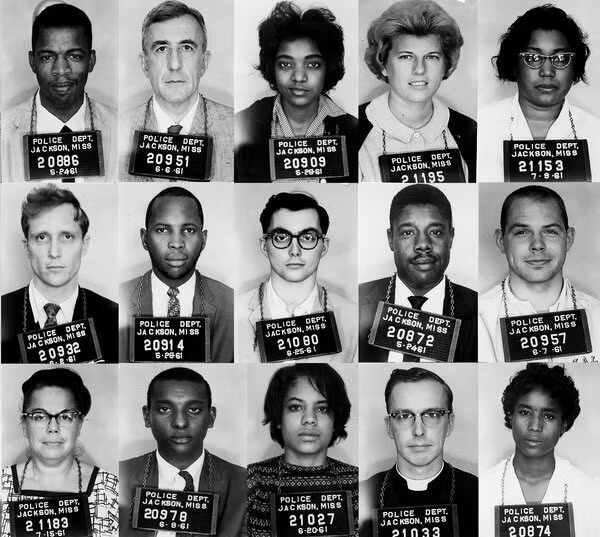
The violence did not end with the lynching era. In 1955, 14-year-old Emmett Till was abducted and murdered near Money, Mississippi; his killers were acquitted by an all-white jury. In 1963, civil rights leader Medgar Evers was shot dead in his own driveway in Jackson. In the summer of 1964, three young voting-rights workers James Chaney, Andrew Goodman and Michael Schwerner were murdered by the Klan in Neshoba County. Fannie Lou Hamer was beaten in a Winona jail for trying to register voters.
The ballot was the thing they were killed for. That is the weight this election carries.
And the past is not entirely past. Civil rights lawyer Jill Collen Jefferson has investigated at least eight suspected lynchings of Black people in Mississippi since 2000, several of which authorities ruled suicides. And in 2018, Hyde-Smith herself was caught on video telling a supporter that if he invited her to a "public hanging," she'd be in the front row. She called it an exaggerated expression of regard, later apologised to anyone offended, and went on to beat Black Democrat Mike Espy 54% to 46%. In the state with America's worst lynching record, many Black Mississippians never forgot it.
Who is Scott Colom?
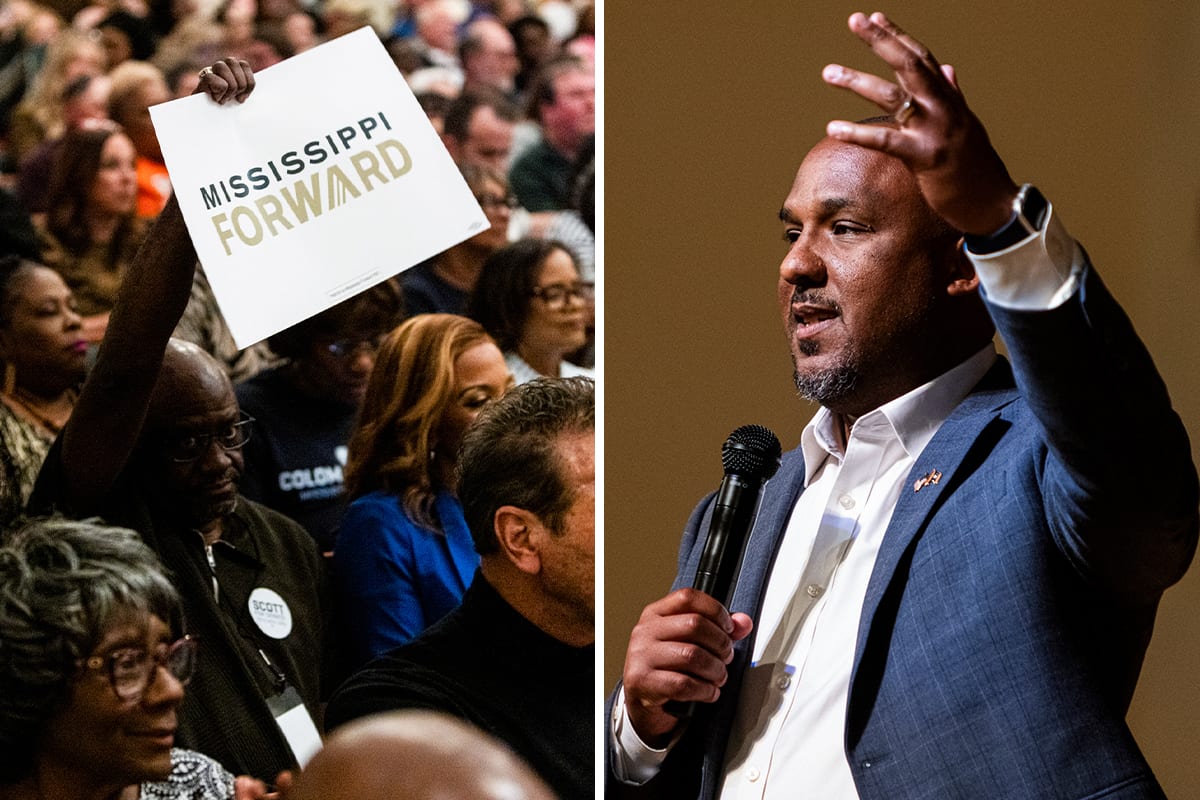
Colom, 43, is the district attorney for Mississippi's 16th Judicial District in the north of the state. He won that job in 2015 by unseating an incumbent who had held it for three decades. His campaign describes him as a seventh-generation Mississippian. His rivalry with Hyde-Smith is personal. When President Biden nominated Colom to a federal judgeship, Hyde-Smith used the Senate's "blue slip" tradition to block him in 2023 even though Mississippi's senior Republican senator, Roger Wicker, backed the nomination. At her own campaign launch in 2025, she boasted to applause that she had blocked him. Three years later, he is projected to take her seat.
Colom ran less as a symbol than as a pocketbook candidate, hammering the cost of living and telling voters he wasn't running to be "another Democratic senator" but "Mississippi's senator." Hyde-Smith's campaign painted him as a radical tied to national Democrats and liberal donors. In a state where nearly 40% of the population is Black, high Black turnout combined with enough crossover votes to make the difference.
On Farish Street in Jackson the historic Black business district where civil rights organisers once met the reaction has been somewhere between cautious hope and open celebration. At Marshall's Music & Bookstore, recognised as the oldest Black-owned bookstore in the country, owner Maati Jone Primm told the AP that young people need to see what is possible for their lives, and that Colom gives them someone to aspire to.
What it means for the Senate ?
Colom's win lands on top of a night that had already reshaped Washington. Republicans went into the midterms holding the Senate 53–47. Democrats flipped seats across Trump country — North Carolina, Texas, Iowa, Kansas, South Carolina, Ohio, Michigan and Maine among them and had secured 54 seats before Mississippi was decided. Mississippi makes it 55. If Mary Peltola wins the still-undecided race in Alaska, Democrats would reach 56.
That cushion matters. A 51-seat majority can be held hostage by a single senator. A 55- or 56-seat majority gives Democrats real room to block President Trump's executive and judicial nominees including any Supreme Court vacancy and to drive the investigative and legislative agenda for the final two years of his term. It also sends a warning to Republicans: if Mississippi can flip, few states are truly safe.
Why it matters to our generation ?
For young people watching from London, Kinshasa, Lagos or Paris, this is not just an American story. It is proof that history is not fixed that a place defined for generations by exclusion can, through organisation and turnout, choose something different.
The men and women who were lynched, beaten and jailed in Mississippi were fighting for one thing: the right of Black citizens to choose their own representatives. In 2026, the descendants of that struggle went to the polls and, by a margin of a few thousand votes, they may have done exactly that.
The count is not yet certified. The challenges may not be over. But the door Mississippi slammed in 1881 is open again.