
Breaking · 30 Sept 2026
Drugged, Assaulted, Disciplined With an Essay? The Cornell Lawsuit Shaking Campus Trust


The Outsider's take
A former Cornell University student has sued the school, alleging that seven fraternity members at the Chi Phi house drugged and sexually assaulted her. She also claims that Cornell failed to protect her and responded inadequately. The court has not yet tested these allegations.
The lawsuit,
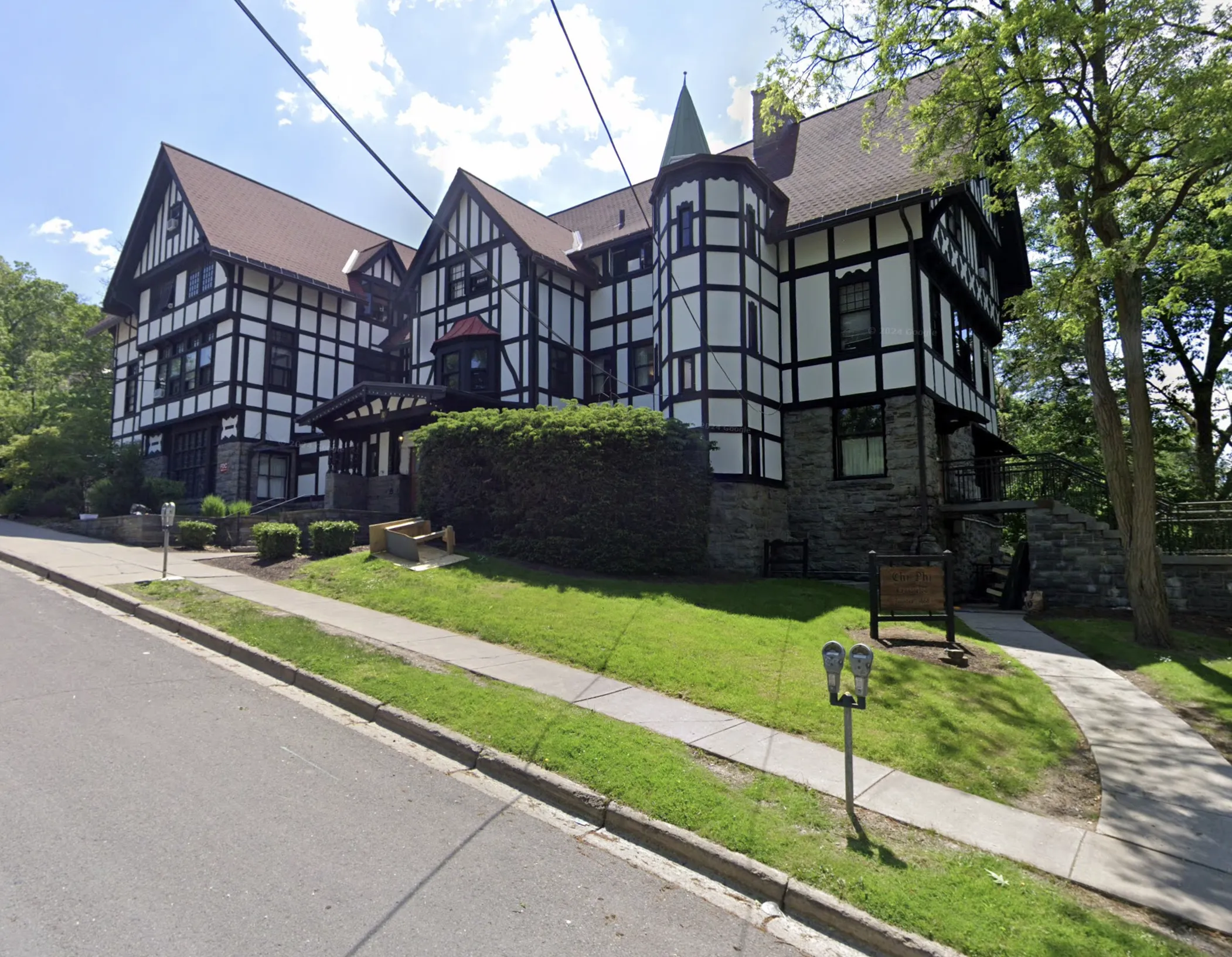
filed on September 14 in Manhattan’s New York state court. The plaintiff, identified as Jane Doe, is suing Cornell, local and national Chi Phi organisations, seven current and former fraternity members, sorority groups, a former chapter president, and an Ithaca nightclub. Jane Doe recounts that, at age 20, she visited the Chi Phi house in October 2024. She alleges she was pressured into consuming ketamine, marijuana, and alcohol, then sexually assaulted over several hours while she was severely impaired. She also claims that a message in a fraternity group chat invited others upstairs. She eventually withdrew from Cornell.
Regarding Cornell’s response,
She reported the incident to campus police on November 8, 2024, leading to the suspension of the Chi Phi chapter that same day. While the university’s crime alert dated the assault to October 25, court documents specify October 19. Later that month, the interim president announced that some students had been temporarily suspended. Campus police launched a criminal investigation, and the student conduct and Title IX offices reviewed the allegations. However, a major point of contention in the lawsuit is that some accused individuals were allowed to reduce their discipline by submitting essays—a claim Cornell has yet to publicly address.
On the other side,
a representative for one defendant insists he is innocent, asserting the allegations are false. The plaintiff believes the Ithaca Police investigation continues, though no criminal charges have been reported.
This case isn’t isolated. Previously, in November 2022, the Interfraternity Council voluntarily paused social events after reports of druggings and sexual assaults at off-campus fraternity houses. Following the Chi Phi suspension, the house was vandalised by student activists campaigning against fraternities. It was also burglarised twice during the suspension.
**Reflecting on what’s next:**
Stories like this don’t occur in a vacuum. Many of us grew up in cultures that prioritise self-interest and often tolerate brutality, racism, xenophobia, and injustice—all fertile ground for sexual violence. Women who speak out deserve recognition, even if most remain unnamed—whether they’re workers, professionals, athletes, soldiers, or students. Historically, women confronting powerful men have been ignored or dismissed. Speaking out is one of the strongest tools to challenge injustice.
We must ask ourselves tough questions: What do we admire in men? What lessons are we teaching boys? Why do we trivialise sexual violence? How does a culture that excuses such acts persist? And how can we better acknowledge the trauma survivors carry for years afterwards? To create change, we need to raise boys differently.
**Open questions remain:**
What responsibility does a university have for off-campus houses that students treat as extensions of campus? When allegations are serious, are current disciplinary processes enough, or do they risk minimising possible crimes? Who should decide appropriate consequences when an accused student can mitigate discipline through an essay? And why, two years later, is there no public update on the criminal investigation?
Ultimately, this case challenges the trust students place in institutions that promise to keep them safe.
For support, Cornell's Victim Advocacy Program can be reached at 607-255-1212. The Tompkins County Advocacy Centre is available at 607-277-5000.