
International Cooperation · 12 Oct 2026
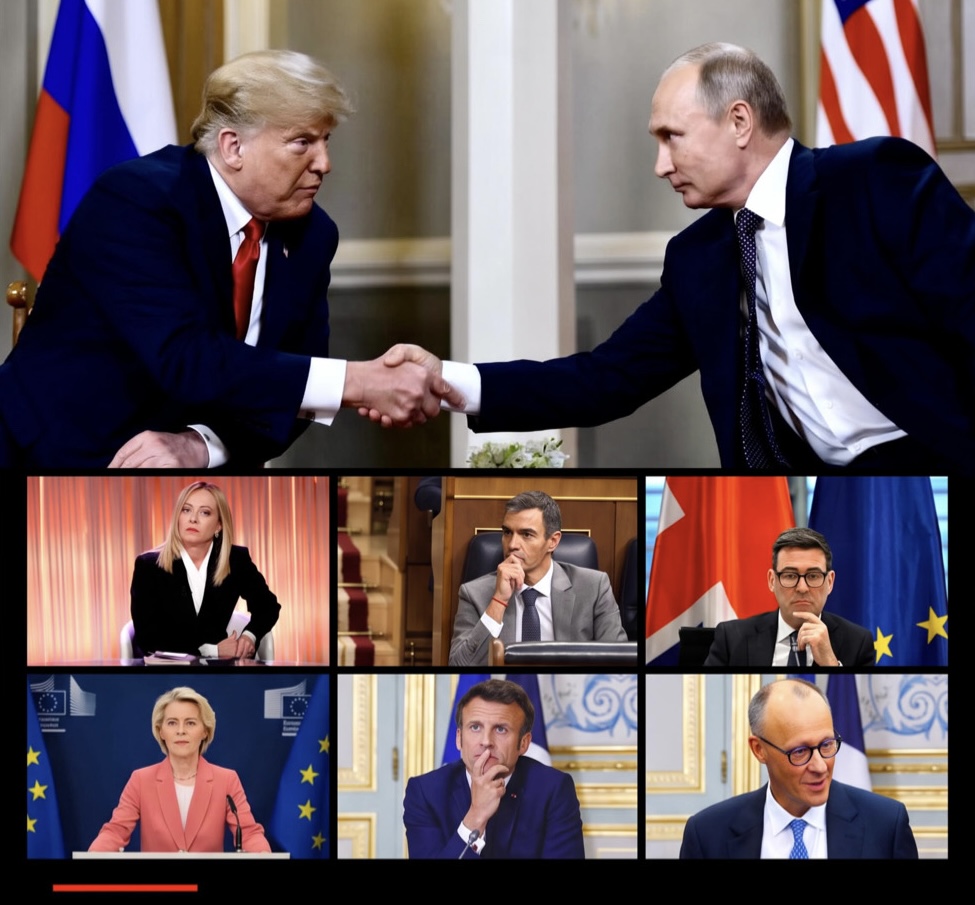
Europe Was notified through social media : Trump, Putin and the Diesel Deal

The Outsider's take
The Outsider · international cooperation · Analysis
Trump announces an "energy ceasefire," then buys Russian diesel. Here is what it means, who loses, and why it matters even if you never think about geopolitics.
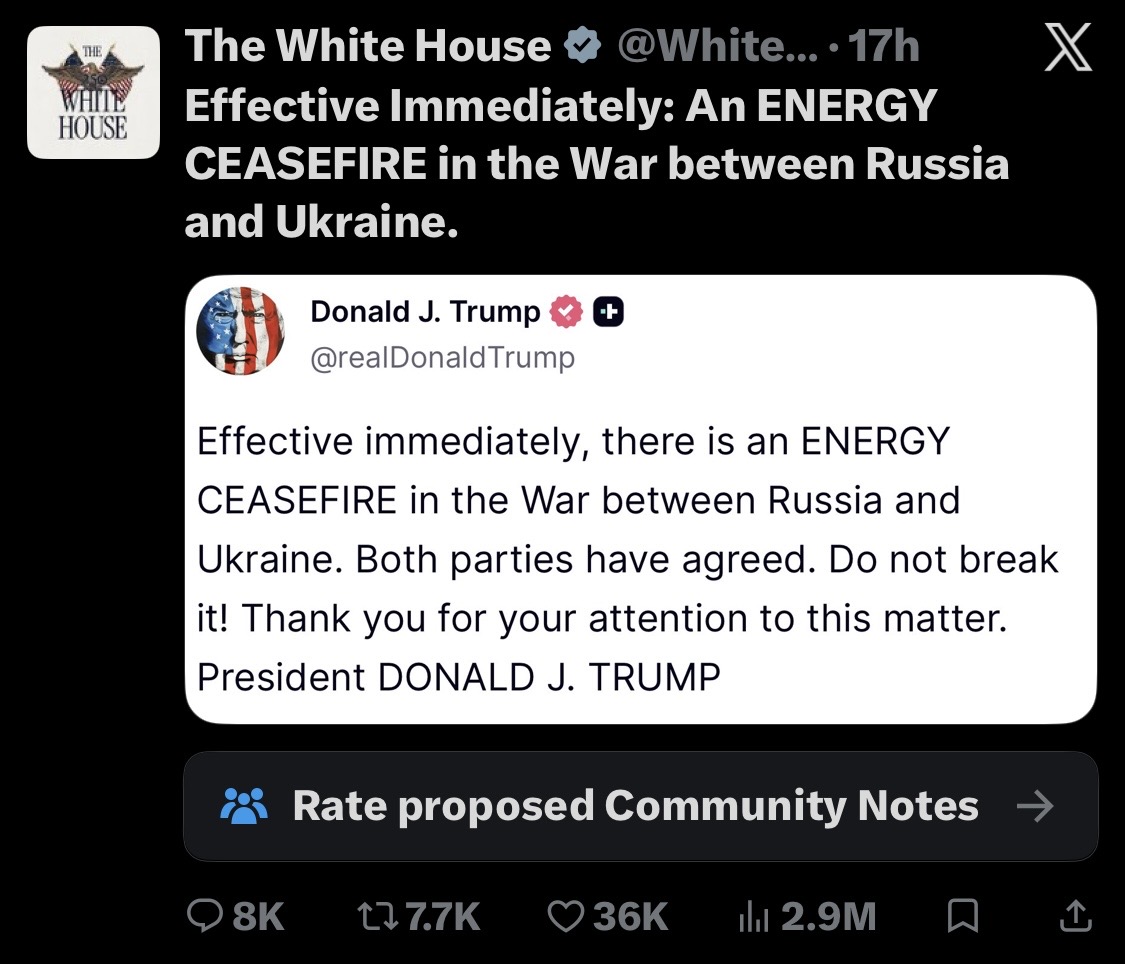
A ceasefire is only as real as the signatures behind it. On Monday, the White House amplified a Trump post declaring an energy ceasefire between Russia and Ukraine "effective immediately," with both sides said to have agreed. As of writing, neither Kyiv nor Moscow has publicly confirmed it.
The supposed deal covers the energy infrastructure that keeps economies running: refineries, power plants and fuel supply chains.
One problem: we have seen this movie before. On Sept. 14, Trump made almost the same claim. Zelensky answered that no final deal was in place and that Ukraine was not convinced Russia would stick to anything. Neither side confirmed it, and neither stopped the strikes.
A ceasefire announced on social media is a press release, not a ceasefire. So why the rush? Follow the fuel. The real story isn't the truce. It's diesel.
Plot twist: Washington buys diesel from the country it sanctioned
On Oct. 9, Trump said he had struck a deal with Putin on a phone call. Russia would send 300,000+ tonnes of diesel right away, 500,000 more in November, and a million after that. The US Treasury quickly issued a temporary license letting Russian diesel into the global market until April 2027.
Now rewind a few weeks. Trump had just signed a major Russia sanctions law aimed at Moscow's energy economy, its banks, its officials and its shadow fleet of tankers. Then his own government opened the door to the same energy trade. Zelensky's verdict: “a gift to Putin.”
The logic goes in circles:
1. Diesel hits a record $6.23 a gallon in the US.
2. Trump blames Ukraine's drone strikes on Russian refineries and tells Kyiv to stop.
3. Then he buys fuel from Russia, whose refineries those drones are hitting.
And the blame is shaky. There is little evidence that Ukraine's strikes are the main driver of the diesel surge. The war involving Iran is squeezing supply too.
There's also a catch. Since July, Russia has banned nearly all diesel exports because Ukrainian strikes crippled much of its refining capacity. The promised volumes depend on refineries in bad shape. The deal may deliver far less than advertised and still hand Moscow a political win.
So is Russia still isolated? Not like Europe hoped
Europe's plan was simple: cut Russia off, together, until the war gets too expensive to keep fighting. The key word is "together." The diesel deal shows that together is slipping.
1. Washington is talking to Moscow directly. The deal came out of a Trump-Putin phone call. Kirill Dmitriev, Russia's presidential envoy, publicly welcomed it, saying US-Russia cooperation on diesel would benefit the world. When the sanctioned side thanks the sanctioning side, "isolated" isn't the word.
2. The Iran war is a gift to Moscow. The EU's economy commissioner warned that higher oil and gas prices could hand Russia unexpected extra revenue. Earlier this year, Trump said the US was suspending some oil-related sanctions to bring prices down.
3. Russia never needed Europe as a customer. The EU banned Russian diesel in 2023. Russian fuel still flows to India, China and others.
To be fair, Russia isn't back in from the cold. Its refineries are damaged, its export ban is still on, and Western sanctions remain in place. But "damaged and sanctioned" isn't the same as "isolated." Isolation needs allies to hold the line, and the biggest one just stepped out of it.
Why Europe is losing its grip
In politics, leverage means having something the other side needs, or being able to hurt them. Right now Europe has less of both. Five reasons:
1. It needs the US to stay safe. Europe can't defend Ukraine, or itself, without American weapons, intelligence and NATO. That makes saying no to Washington very hard.
2. Its sanctions only work in a team. Russia can sell elsewhere, so European sanctions bite only when others join. If the US eases off, the pressure fades.
3. It's slow and split. Sanctions need every member to agree. Hungary and Slovakia still buy Russian oil directly, and both governments see Trump as an ideological ally.
4. It was asked to do the impossible. Trump told Europeans to stop all Russian oil purchases and hit China with heavy tariffs. A Swiss broadcaster's EU correspondent called these things Europe cannot deliver, given how dependent it is on China. Now Trump makes his own exception.
5. It wasn't in the room. Europe heard about the diesel deal like everyone else: through a social media post.
The reaction has been muted. Downing Street said it will keep up the pressure through the UK's toughest sanctions regime yet, without criticising Trump directly. The EU also recently lifted sanctions on two Russian oligarchs as part of a deal to extend others. Brussels warned that easing sanctions would be "self-damaging". Washington did it anyway.
The elephant in the room: Hormuz and the Iran war
Strip away the ceasefire theatre and the diesel deal looks less like a Russia policy than a symptom of an Iran problem. The US and Israel started the war on Iran in February. Tehran responded by shutting the Strait of Hormuz, a major artery of the global energy trade, and prices soared. Diesel is especially exposed: an analyst at StoneX noted that a large share of the world's refined diesel and jet fuel moves through that strait.
Washington's public line is that the problem is solved. Trump has claimed "total control" of the strait, and he announced the Russian diesel deal alongside that boast. Vice President Vance said Iran's control is "effectively gone." Iran says the opposite.
The pump prices side with Iran. US diesel hit a record $5.85 a gallon in early September, despite Trump's repeated claims of control, and later reached $6.23. Here is the contradiction at the heart of this story: if the strait were truly secure, why would Washington need Russian diesel at all? The deal reads like a quiet admission that Hormuz isn't fixed.
The politics point the same way. The war with Iran is unpopular with American voters, and the cost of living has become a top electoral issue, with midterm elections approaching. Blaming Ukrainian drones for the diesel crunch moves the story away from the war the US helped start. It is a convenient narrative, and the evidence for it is thin.
To be fair, both things can be true. Ukraine's strikes did cripple much of Russia's refining capacity, and Russia's export ban removed supply from the market. But Moscow itself points elsewhere: Kremlin spokesman Peskov said the market situation stems from instability in the Persian Gulf, not Ukraine.
The pattern is hard to miss. The ceasefire pressures Ukraine, the diesel license rewards Russia, and the root problem sits in the Gulf. Europe, which is not a party to either war's key decisions, absorbs the consequences.
The bottom line
Trump wants Kyiv to stop hitting Russian refineries while his Treasury lets Russian diesel in. Moscow gets a political win, Kyiv gets pressure, and Europe gets a decision made without it. The energy ceasefire only matters if both sides actually stop, and so far neither has confirmed that.
Three things to take away:
1. An announcement is not an agreement. Ask who confirmed it.
2. Prices drive politics. When fuel costs spike, even tough sanctions can bend.
3. Follow who was left out. This time, it was Europe.
The Outsider will keep following the situation.