
Culture · 24 Sept 2026
The Woman Who Taught Us to Rise: Lessons from Maya Angelou
The Outsider's take
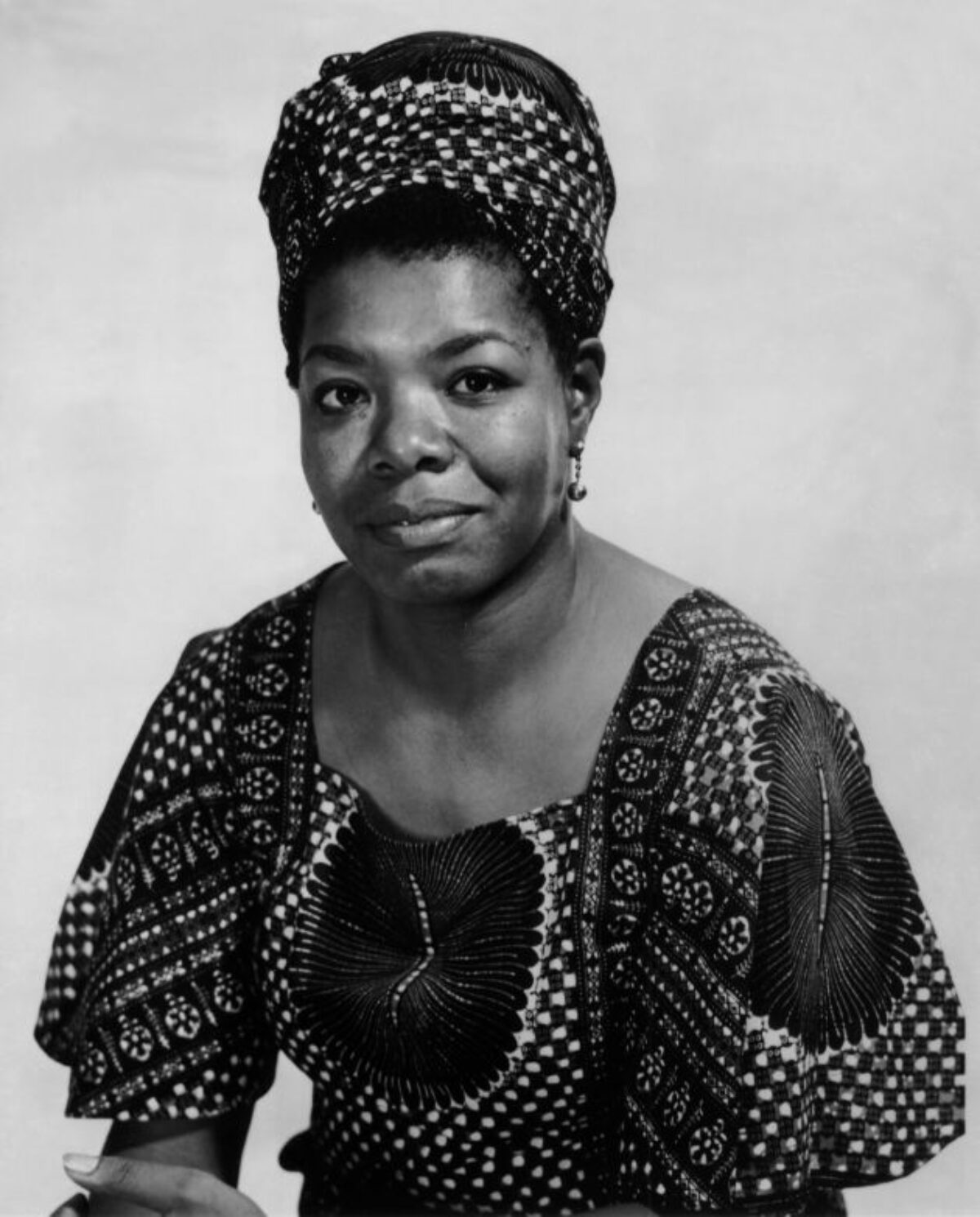
Angelou wrote that though she bore only one child, she considered herself mother to thousands: of every race, faith, background, size, and education, all of whom she addressed together.
Maya Angelou never asked to be a teacher. She was a dancer, a singer, a journalist, a poet, an activist, and a storyteller. Yet her life became one of the great classrooms of the modern era, because she turned pain into wisdom and offered it back to the world with open hands. Across her seven autobiographies and her many collections of poetry and essays, she left us a library of hard-won lessons.
Your voice is worth reclaiming
As a child, Angelou fell silent for years after a wound too heavy for words. In that stillness she became a listener, absorbing poetry, the rhythms of speech, and the quiet dignity of the people around her. When she finally spoke again, she spoke with a depth few could match, and she went on to tell that story in I Know Why the Caged Bird Sings, the book that made her name in 1969. Her lesson is that silence is not emptiness. Sometimes it is where a voice gathers its strength, and reclaiming that voice is one of the bravest things a person can do.
Courage comes first
Angelou believed courage was the virtue that makes every other virtue possible. Kindness, honesty, and generosity all falter without the nerve to practice them when it is hard. She did not describe courage as fearlessness. It was choosing to act with fear beside you. Her memoirs Gather Together in My Name and The Heart of a Woman show it in practice: a young woman raising a son alone, taking risks, making mistakes, and beginning again. Her invitation is to be brave in small, daily ways: to tell the truth gently, to begin again, to stay soft in a world that rewards hardness.
Rise, again and again
Her most famous poem, "Still I Rise," gave its name to the collection And Still I Rise and carries an unshakable message: you may be knocked down by history, by circumstance, by other people's cruelty, and you may still rise. This was never naive optimism. She knew injustice intimately. Her insistence on rising was an act of defiance and hope, a refusal to let hardship have the final word on who you are. She carried the same spirit to the world stage when she read "On the Pulse of Morning" at a presidential inauguration in 1993.
People show you who they are
Angelou offered a piece of wisdom that has saved many hearts from repeated hurt: when people show you who they are, believe them. It is not cynicism. It is self-respect. Give grace, but do not ignore what is plainly in front of you, and never argue with someone's character in the hope that it will change.
Kindness is the lasting legacy
Angelou taught that we rarely remember the exact words or deeds of those who touched us, but we never forget how they made us feel. That truth reframes a whole life. Your résumé, your arguments, and your achievements will fade in other people's memory. The warmth you brought into a room will not. She urged us to be a source of light for others, a small rainbow in someone's storm.
Angelou's image of the rainbow in the cloud says it best. A rainbow does not stop the rain. It shows that light is still present inside it. She never asked us to wait for a clear sky before offering warmth: we can be a rainbow in someone else's cloud right now, in their darkest hour, without the storm having passed. It is the message sent to a friend who has gone quiet, the meal left at a neighbor's door, the patience given to a stranger having a hard day. Because Angelou knew clouds herself, the light she offered was earned, not decorative.
Love, in every form
Angelou believed love is the force that frees us, not the one that holds us captive. She gave it fully to friends, to family, and to the partners who came and went through her life, and she wrote about all of it with honesty in The Heart of a Woman and Mom & Me & Mom. In friendship, love is the quiet loyalty of the person who shows up, laughs with you, and tells you the truth kindly. In a romantic relationship, it asks for more vulnerability, because the closer we let someone come, the more they can hurt us. She never pretended otherwise, and she loved anyway. When love goes wrong, ends, or is never returned, her example is that the heart does not have to harden to survive. Grief is the proof that you loved honestly, that you have lived and healing begins when you stop asking what was wrong with you and start asking what the love taught you. Unrequited love is not wasted. It shows you how much you are capable of giving, and that capacity does not disappear when one person declines it. Let the ache be real, let it pass through you, and keep your heart open, because a heart that has been mended is wiser and more generous than one that never risked anything.
Above all, Angelou taught that love liberates. Holding someone tightly out of fear of losing them is ego dressed up as affection, while real love wants the other person to grow, to leave if they must, and to become fully themselves. A parent lets a child go out into the world, a friend celebrates your success instead of resenting it, and a partner stays because they choose to, not because you have cornered them. Even when love ends or goes unreturned, the same truth holds: what you gave was never a loan to be repaid. It was a gift, and it changed you whether or not it was received.
Joy is not a luxury
Despite all she endured, Angelou was famously joyful. She laughed loudly, cooked generously, sang often, and gave thanks daily. Her essay collection Wouldn't Take Nothing for My Journey Now is full of this everyday gratitude. She understood that joy is not the reward for a painless life but a practice, a choice to notice beauty while the struggle continues. Gratitude, for her, was a form of strength.
Own your story
Perhaps her deepest teaching was about narrative. From Caged Bird through A Song Flung Up to Heaven, the last of her seven autobiographies, she told her story honestly, without shame, and showed that pain and triumph both belong to the person who lived them. To speak your truth is to release its hold on you, and it may light the way for someone still walking in the dark.
Following Angelou's lessons is harder than it sounds, because much of modern society teaches the opposite. We are told to perform confidence rather than practice courage, to curate a flawless image rather than own our story, and to measure our worth in likes, followers, and titles rather than in the warmth we leave behind. Young people feel this pressure most sharply, growing up in a world where every mistake can be screenshotted, where vulnerability is often mocked as weakness, and where hardness passes for strength. Kindness is treated as naivety, gratitude as a lack of ambition, and letting go as losing. Yet this is exactly why her wisdom matters now. To stay soft, to speak honestly, and to rise without needing an audience is no longer just admirable. It is an act of quiet rebellion.
A daily practice
Maya Angelou's teachings are not meant only for admiring. They are meant for living. Tomorrow, you might speak one true thing that you have been swallowing. You might do one brave, small act. You might offer someone your full attention, thank someone you have overlooked, or forgive yourself for something that no longer needs carrying. If you want a companion for the journey, Letter to My Daughter offers her gentlest advice, and And Still I Rise is there for the days you need to hear the drumbeat.
She left us a simple, powerful map: be brave, be kind, be grateful, be honest, and rise, always rise.