
Breaking · 15 hr ago
A Spy Scandal, a Trip to China and 11 Days: How Jensen Huang Got His Job Back

The Outsider's take
The Outsider · Business & Economy · 23 November 2026
On 12 November, Jensen Huang walked out of Nvidia. On 17 November, the board said it would not bring him back. On 23 November, he was back, by a unanimous vote.
What changed?
Nvidia said it itself: the board received input from "senior levels of the United States government" that Huang poses no national security risk. Who runs the world's most important AI company was decided in Washington.
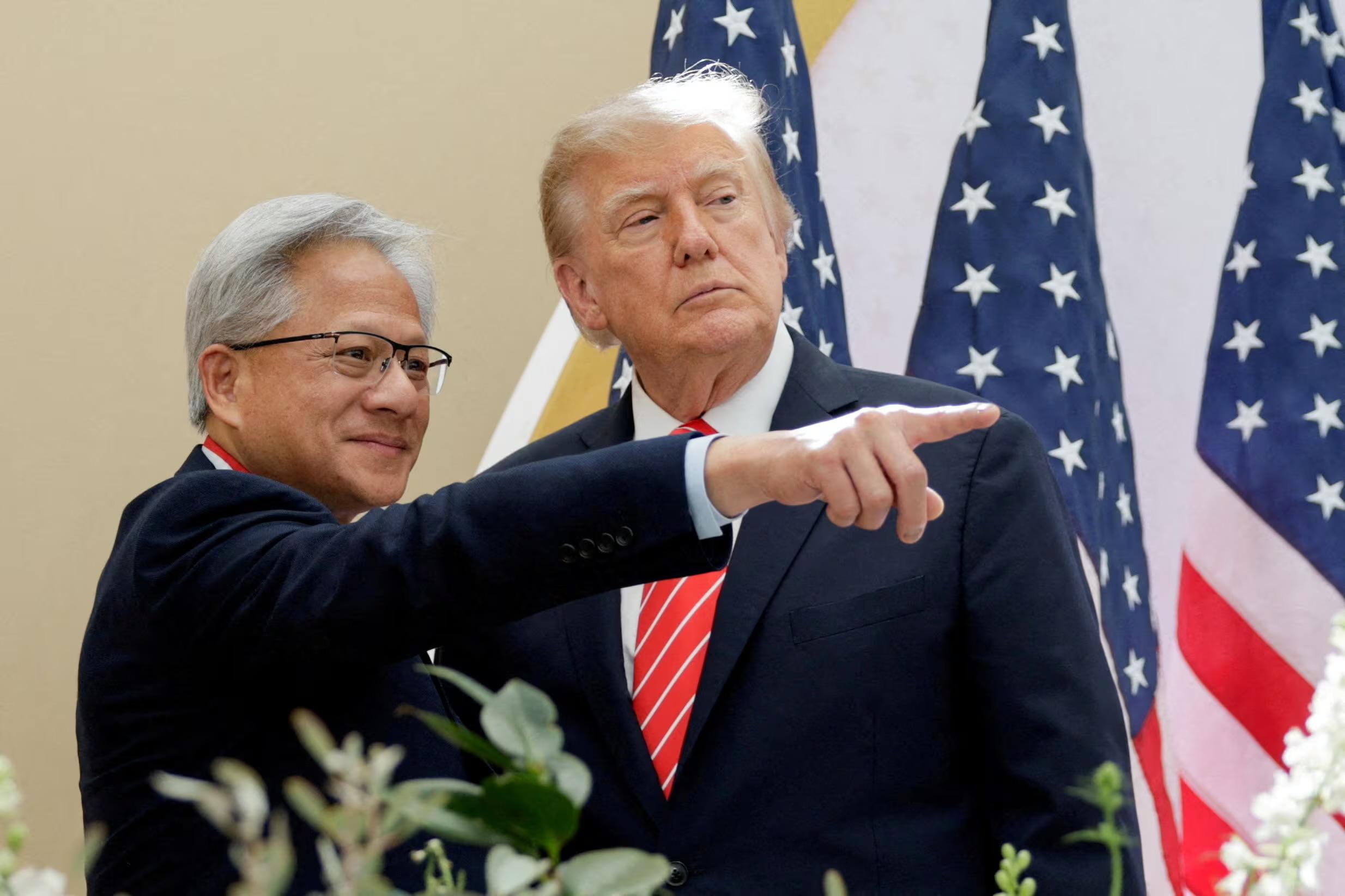
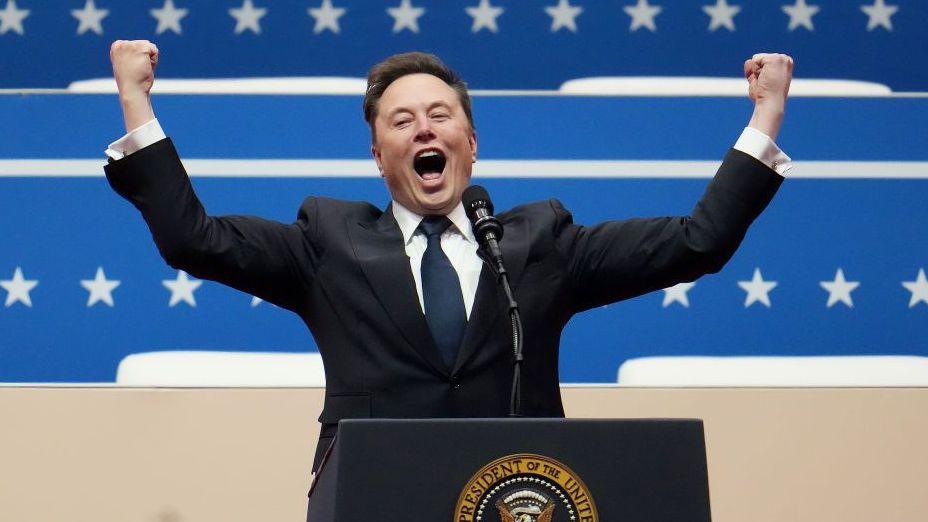
The push came from the top. Trump said he "would not mind" seeing Huang return. Elon Musk backed an open letter for his reinstatement, and a petition passed 180,000 signatures. Only Treasury Secretary Scott Bessent called for a clean sweep. He lost.
The scandal hasn't gone away:
Huang admitted an affair. According to the New York Times, a classified US memo describes one of the women, Alice Huang (no relation), a former executive at the chip company Megaspeed, as a recruit of Chinese intelligence. Beijing denies it. She hasn't been charged and is reportedly living in Beijing. Huang hasn't even faced Congress yet; his closed-door hearings are on 1 and 2 December.
The questions nobody wants asked:
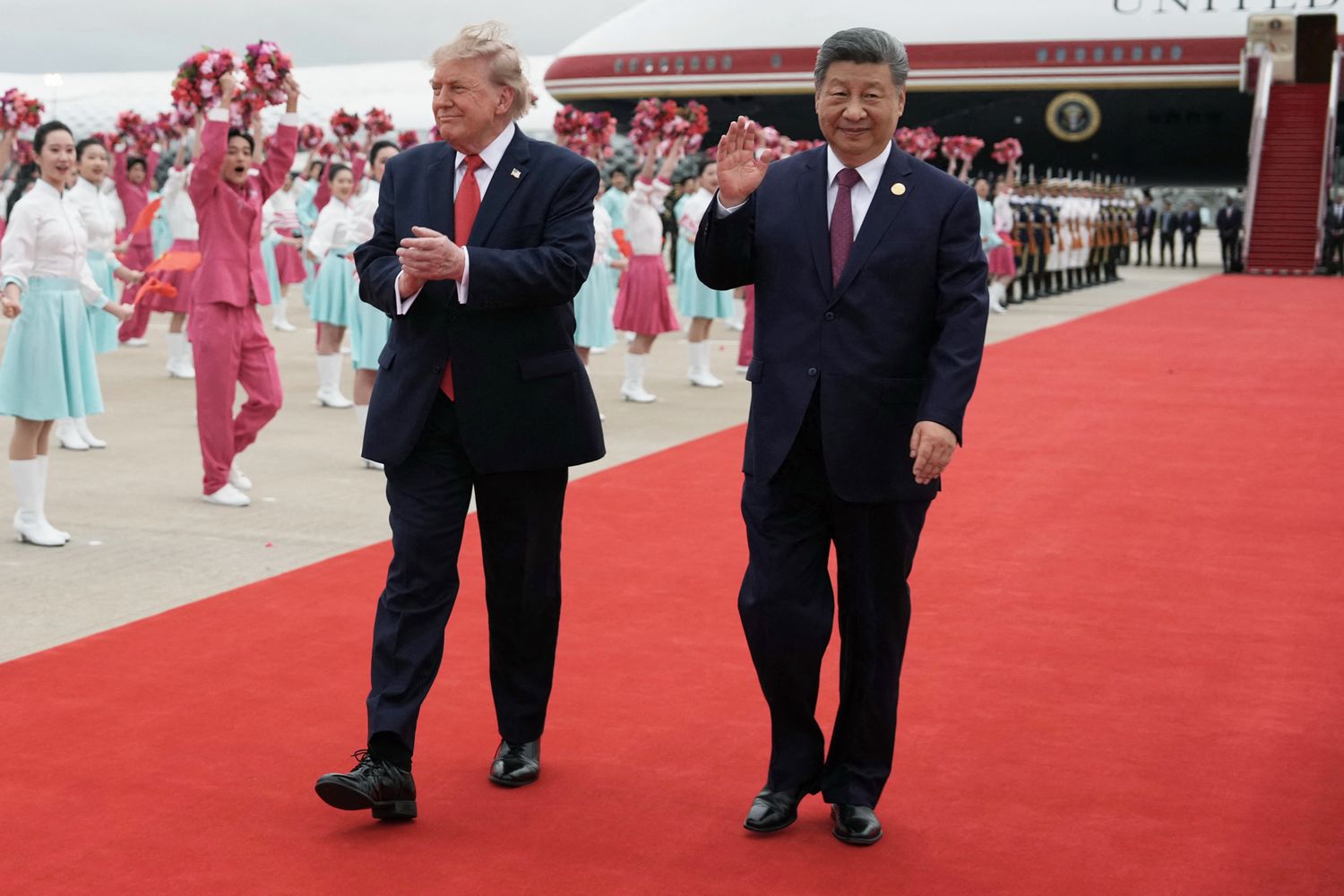
Look at the calendar. On 16 November, Trump said he wasn't sure Alice Huang was a spy. On 18 and 19 November, Xi Jinping greeted him in person in Shenzhen. Four days after the summit ended, Huang was back.
Two months ago at the UN, Trump renamed AI "super intelligence" and framed the race with China as a must-win battle: "whoever wins superintelligence, wins." If AI is a war with Beijing, Nvidia makes its most important weapon. So why shrug when an alleged Chinese spy got close to the man who runs it?
There is no evidence of a deal. Spy cases take time, and China won't extradite her anyway. But within two weeks we had a president doubting his own intelligence services, a summit with Xi, no charges and a cleared CEO. If there's an innocent explanation, Washington should give it in public.
The real lesson:
In the AI era, giant tech companies aren't governed like normal companies. Nvidia made around $116 billion in one quarter, and its chips are central to the US–China rivalry. At that level, a board's independence is a polite fiction. The only question that counts is whether the White House is comfortable.
Huang's defenders say the board pushed him out too fast, before any facts were established. Maybe. But if he shouldn't have been rushed out without the facts, he shouldn't be rushed back without them either.
The verdict came first. The investigation came after.
The Outsider: breaking news and giving insight, straight to you.