Business /Economy · 1 day ago
$3.79 Billion in One Day: How GTA VI Became the Biggest Launch in History
The Outsider's take
The Outsider · Business
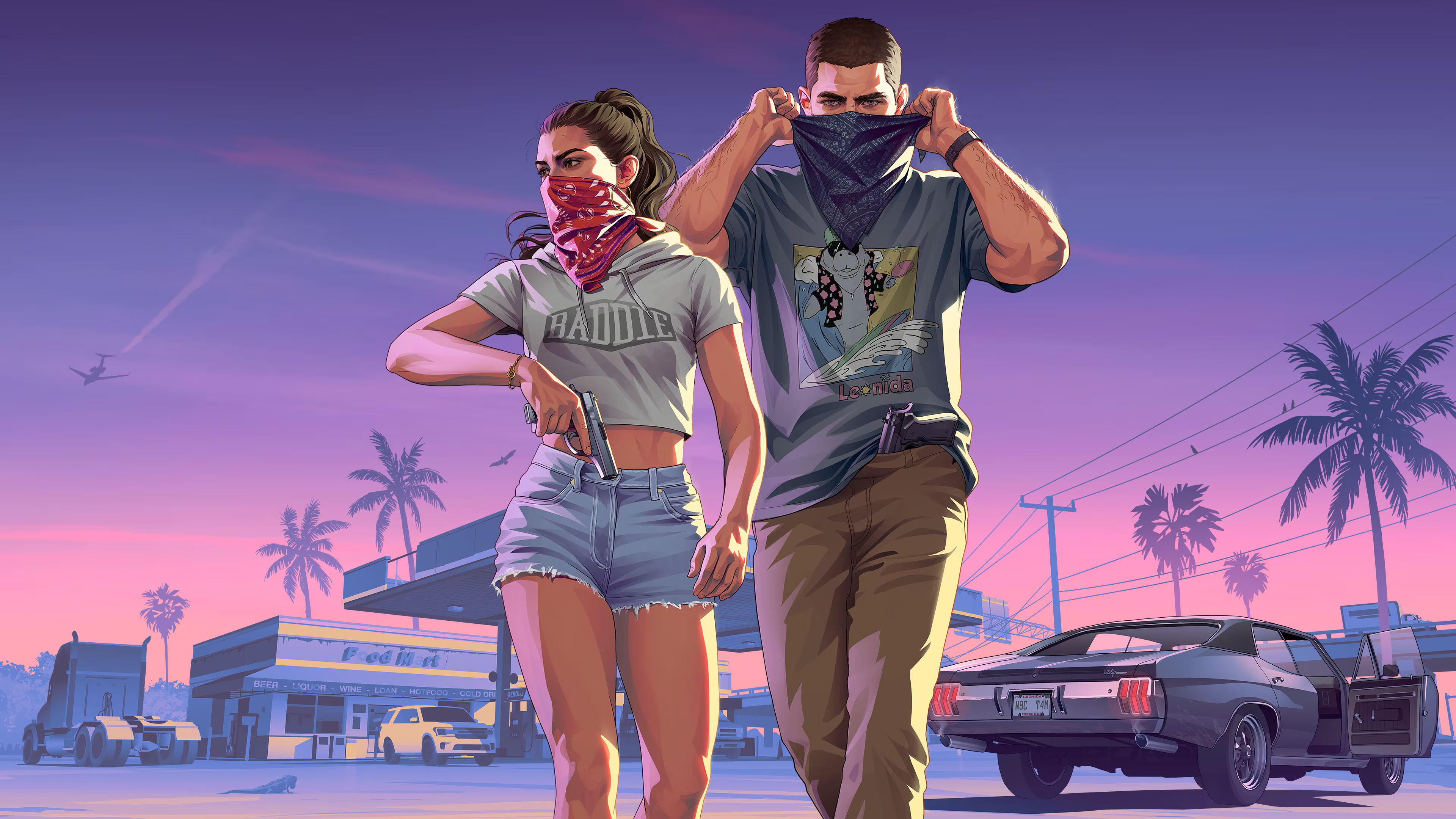
$3.79 billion in 24 hours. According to Rockstar, that makes GTA VI the biggest entertainment launch in history, ahead of any film, album or game. Behind that record is a story about how one product can carry a whole company, change what we pay for games and push an entire industry out of its way.
On 20 November, Rockstar Games announced that Grand Theft Auto VI had brought in $3.79bn on its first day. To put that in perspective, that is more than most Hollywood blockbusters make in their entire run. Before it even came out, 32.5mn people had already bought it.
There is a catch in that number, though. The $3.79bn is Rockstar's own estimate of what players spent in shops and online stores worldwide. It is not what the company actually keeps. Sony, Microsoft and retailers all take a cut before the money reaches Take-Two Interactive, the company that owns Rockstar.
Still, the jump is huge. When GTA V came out in 2013, it made about $800mn on day one, so the new game made nearly five times as much. Economists have a name for markets like this, where a handful of giant hits take most of the money and attention: superstar markets. GTA VI is the biggest example the games industry has ever seen.
Then and now:
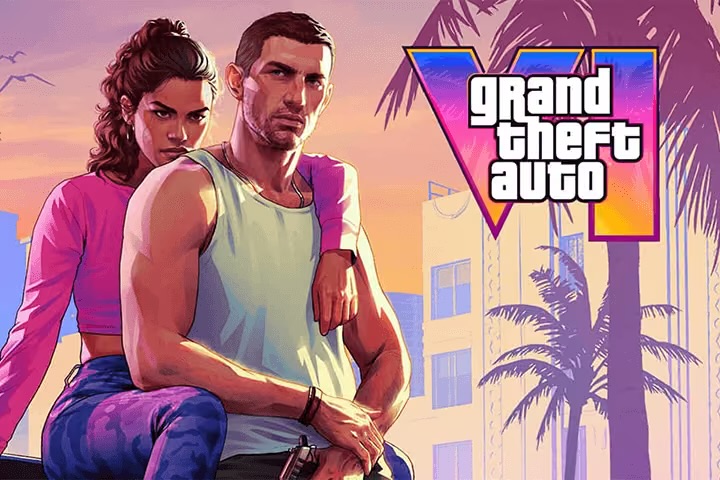
Thirteen years separate the two games, and almost everything about them has grown. GTA V cost $60 at launch and came out on the PlayStation 3 and Xbox 360. GTA VI costs $80 and came out on the PlayStation 5 and Xbox Series X|S. Over its lifetime, GTA V has sold almost 235mn copies, a total it took more than a decade to reach.
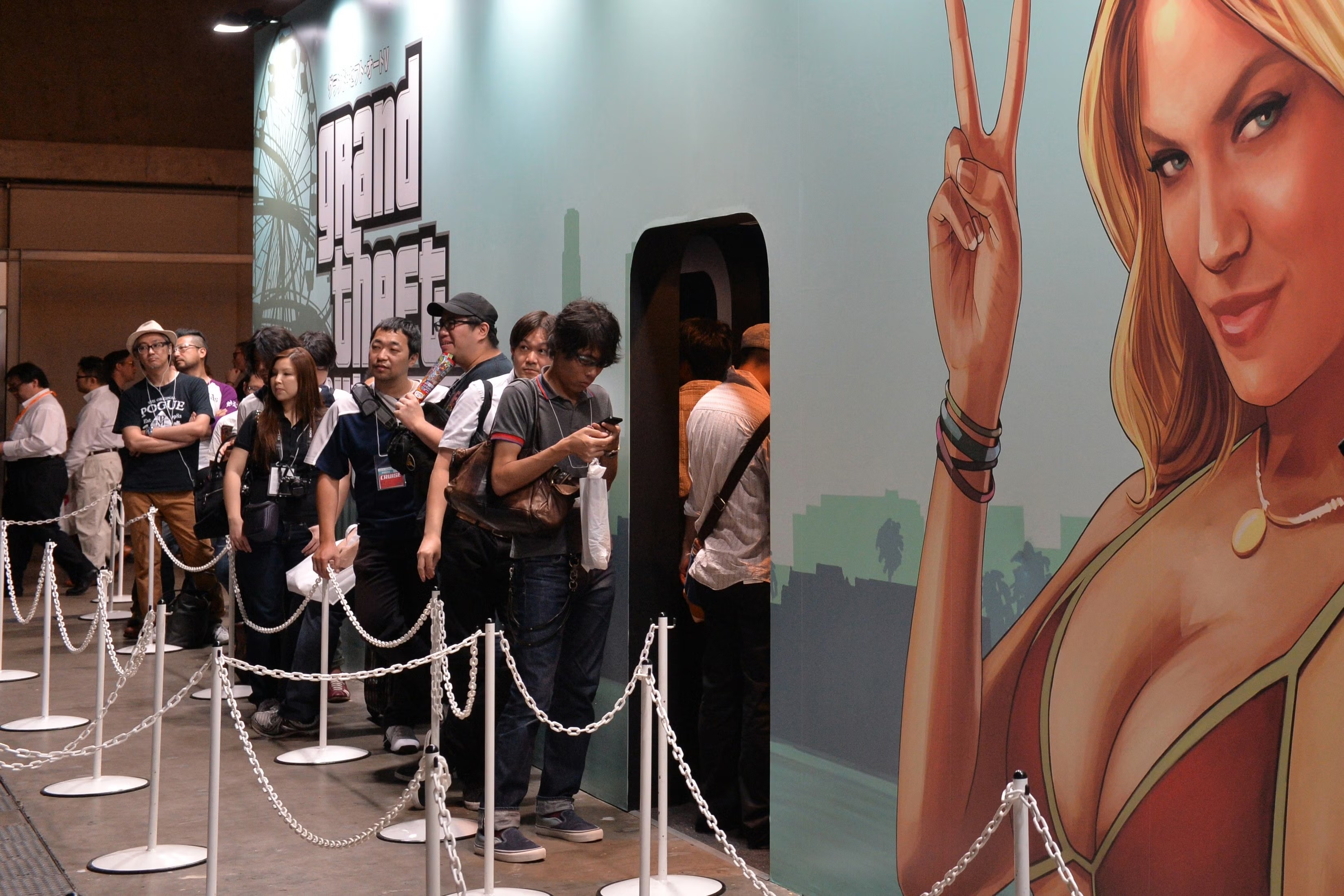
Here is the part that surprises most people. Ten days before launch, Take-Two told investors it expected to earn between $3.35bn and $3.5bn over the entire October to December quarter. That is less than the $3.79bn players spent on day one alone. The difference shows how much of every game sale goes to the platforms and shops in between, before the publisher sees a penny.
Why $80 matters to everyone who plays games:
When pre-orders opened in June, Rockstar priced the standard game at $80 and the Ultimate Edition at $100. Gamers worried about their wallets. Publishers were secretly hoping for exactly this. The analyst Matthew Ball had written that the industry wanted Take-Two to charge $80 or even $100, so that "the rest of the market" could raise its prices too.
The reason is simple. Making big games has become far more expensive, but prices have barely moved in twenty years. A $60 game in 2005 would cost about $103 today if prices had kept up with inflation. Nobody wanted to be the first company to charge more and face the backlash. Bank of America's Omar Dessouky put it bluntly: if even GTA VI had stayed at $70, no one else could have justified $80.
So will every game now cost $80? Probably not. Mat Piscatella of the research firm Circana warned that pricing too high can hurt sales. A game that millions of people have waited a decade for can charge more. A smaller title that tries the same thing may simply lose buyers. The likely result is a two-speed market, with a few giant franchises at the top price and everyone else competing below it.
A whole company riding on one game:
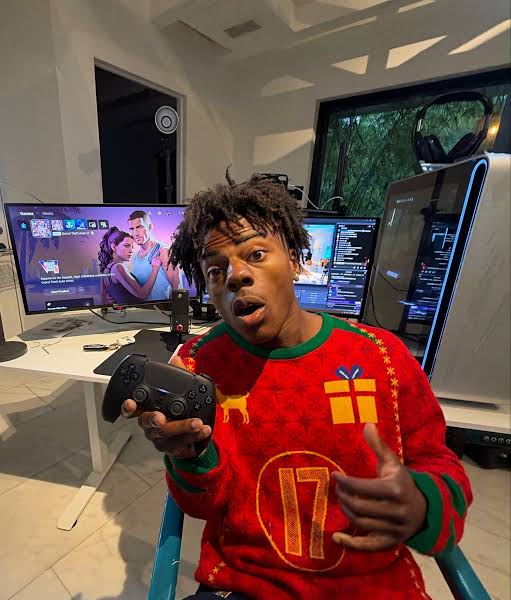
You might expect the company's shares to soar on launch day. They didn't. Take-Two's stock jumped 6.2 per cent to $216.61 on 18 November, when the first reviews gave the game 99 out of 100. Then it fell almost 4 per cent on the day of release. Investors had already celebrated the good news, a pattern traders call "buy the rumour, sell the news". A wider sell-off in tech stocks that week did not help.
The company's accounts show how much was at stake. In the three months before launch, Take-Two's sales fell 18 per cent and it lost $54mn. For the first half of its financial year, more money went out of the business than came in. Yet it still promised investors record sales of $8bn to $8.2bn for the year to March 2027, up from $6.72bn. Almost all of that growth depends on one game.
Record sales do not automatically mean big profits. Take-Two expects to make only $109mn to $142mn in profit this year, because years of development spending are now being counted against its earnings. Bank of America estimates the game could earn the company $3.44bn this financial year and another $2.76bn the year after. That is what investors are really betting on: not one huge day, but years of steady income.
The price of waiting:
Fans waited a long time. GTA VI was first expected in autumn 2025, then promised for May 2026, then pushed back again to November. Jennifer Kolbe, Rockstar's head of publishing, told Bloomberg that when Take-Two's boss Strauss Zelnick heard about the second delay, he said: "You're kidding. Please tell me you're kidding." Once the team explained why, he agreed.
Nobody outside the company knows what the game cost to make. Kolbe denied reports that it cost $1.5bn. Industry reporters estimated that the last six-month delay alone added around $10mn a month in extra costs, and some analysts put the total impact at up to $500mn once lost sales time and marketing changes were counted. These are guesses, not official figures.
So why delay at all? Because a broken launch would have been far more expensive. The Grand Theft Auto series has sold nearly 480mn copies, and GTA V alone almost 235mn. Releasing a buggy game could have damaged one of the most valuable brands in entertainment. Spending a few hundred million to get it right was the cheaper option.
Where the real money is
For now, the game is only on PlayStation 5 and Xbox. There is no PC version yet. Rockstar did the same with Red Dead Redemption 2, and it is a smart move: a PC release later on becomes a second launch, with a fresh wave of buyers.
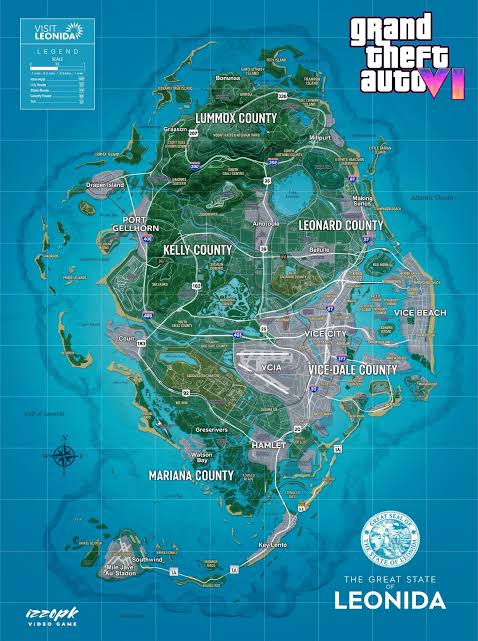
But the biggest money is not in selling the game once. It is in what players buy after. In the three months before launch, 81 per cent of Take-Two's income came from what the industry calls recurrent spending: in-game money, extra content and online extras. GTA Online, the multiplayer world built on GTA V, turned a 2013 game into a business that was still growing a decade later. There is no date yet for the online mode of GTA VI, and Bank of America raised its forecast for Take-Two partly because of what that mode could earn.
This is the big difference between games and films. A blockbuster film makes most of its money within a few months. A blockbuster game with a strong online world can keep earning for ten years. Rockstar's main challenge may be persuading the huge GTA V audience to move across, since the old game is still making money.
The workers, and everyone else:
Not everyone at Rockstar is celebrating. In late 2025, the studio fired 34 employees, 31 in the UK and three in Canada. Their union, the Independent Workers' Union of Great Britain, says they were sacked for organising. Rockstar says they leaked confidential information in a private Discord chat, and rejects the union's claims. The case went to an employment tribunal in Glasgow in September, and final arguments were heard the day before the game came out. No ruling had been reported by launch day.
For investors, this is about reputation as much as money. Games like this are built by thousands of people working under huge pressure, and how studios treat their staff is becoming something boards can no longer ignore.
The launch also forced rival companies to change their plans. November is normally the busiest month of the year for game sales, but most big publishers moved their releases to September and October to avoid going up against Rockstar. Obbe Vermeij, a former Rockstar technical director, said launching just before or after GTA VI would hurt their sales. When one game can decide when a whole industry releases its products, that is real market power.
What it all means:
Back in 1981, the economist Sherwin Rosen wrote about "the economics of superstars". His idea was that when technology lets the very best reach everyone at once, a tiny difference in quality can turn into an enormous difference in money. Decades later, Anita Elberse of Harvard Business School showed that entertainment companies do best when they put most of their money into a few huge bets. GTA VI proves both of them right.
But there is a downside. The same strategy that produced a $3.79bn day also left Take-Two as a one-game company for years, with falling income and money flowing out while it waited. For a smaller company, one delay or one flop like that could be fatal.
The real test is still to come. The question is not whether GTA VI had a record first day, but whether it can do what GTA V did and keep players coming back, and spending, for the next ten years. If it does, that $3.79bn will look like only the beginning.