
Breaking · 9 Oct 2026
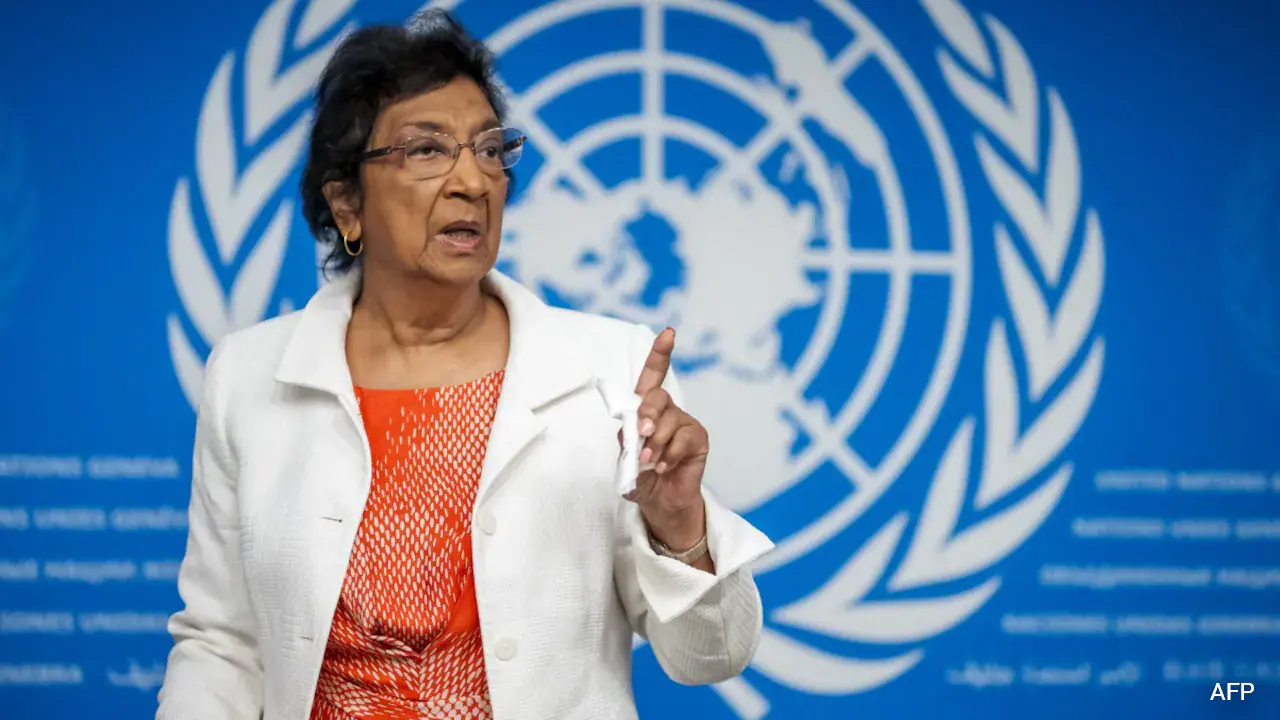
Former ICC Judge Navi Pillay was awarded the Nobel Peace Prize 2026, only to see the U.S. swiftly impose sanctions on the International Criminal Court (ICC) hours later.

The Outsider's take
The Outsider · 9 October 2026
On this Friday morning in Oslo, the Norwegian Nobel Committee announced Navi" Pillay as the winner of the 2026 Nobel Peace Prize. By that evening, Washington announced new sanctions against the very institution where she once served as a judge.
Pillay's remarkable career mirrors the trajectory of modern international justice. Hailing from South Africa, she fiercely defended anti-apartheid activists, including Nelson Mandela. Her journey took her to the International Criminal Tribunal for Rwanda, onto the bench of the ICC, and eventually to serve as the UN High Commissioner for Human Rights. Recently, she led a UN panel that accused Israel of genocide in Gaza—a verdict that drew intense criticism.
Jørgen Watne Frydnes, chair of the Nobel committee, explained that the award aimed to remind the world that the rule of law—both national and international—is the foundation for resolving conflicts peacefully. "Peace requires justice," he emphasised. UN Secretary-General António Guterres echoed this sentiment, honouring those defending international law and human rights.
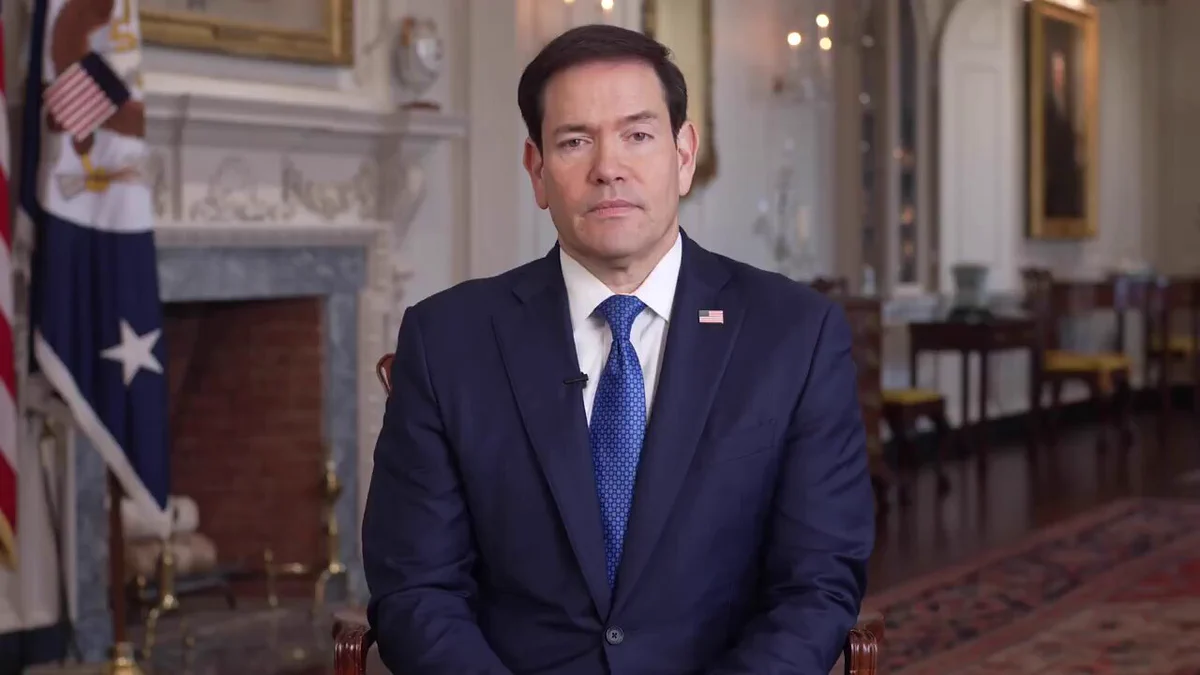
Then, the shock: within hours, the White House unveiled additional sanctions against the ICC. President Trump took to Truth Social to criticise the Nobel decision, claiming it had "demeaned" the prize by honouring Pillay.
Why the court is a target.
Pillay's career rests on one principle: no government, however powerful, stands above the law. As UN human rights chief, she questioned the legality of US drone strikes and urged Washington to close Guantánamo. Critics have long argued that abuses alleged in Iraq and Afghanistan were never answered with accountability at the top, and the International Criminal Court's Afghanistan investigation, which covered alleged US conduct, drew US sanctions on court officials in 2020. Gaza is the latest test: the UN inquiry she led concluded that Israel committed genocide, a finding Israel rejects. The court becomes a target when its subjects are powerful or allied with Washington.
Coincidence or calculated message?
It's essential to consider that the Nobel announcement was scheduled long in advance, and there's no public evidence linking the sanctions to the prize. The timing appears coincidental. Yet, this convergence is revealing. On one side, a committee celebrates a jurist championing the rule of law. On the other, the world's most powerful government penalises the institution tasked with enforcing that very principle.
Whether deliberate or not, these events occurred within hours and told contrasting stories about the state of international law.
Haakon Gjerløw of the Peace Research Institute Oslo remarked that the Nobel's choice sends a supportive message to international courts and judges under political pressure. Meanwhile, the sanctions highlight the harsh reality of that pressure.
Looking ahead, the Nobel Peace Prize will be awarded in Oslo on December 10. Pillay will accept it amid a global scene where the court she helped shape faces financial and political adversity from its fiercest critics. The real question isn’t whether this timing was intentional but whether a Nobel medal can still serve as a shield for the institutions it celebrates.