
Films & Art · 5 days ago
Africa United: The Eyes of Ghana and the Film Your Generation Can't Afford to Miss
The Outsider's take
Films&Art / 18 November 2026
The Outsider's verdict: 4/5. Beautiful, flawed and essential.
Africa was filmed for a century, rarely by Africans. A 93-year-old Ghanaian cameraman kept the proof that it could be different. We can't afford to look away.
The argument
Here is the claim: The Eyes of Ghana, Ben Proudfoot's documentary about Chris Hesse, isn't just a good film. It's a necessary one. If you are between 20 and 50, African or not, it is one of the few films this year that changes how you understand your own century.
The reason is simple. Who holds the camera decides what history looks like.
Who held the camera :
Think of the images of Africa you grew up with. Colonial newsreels. Famine appeals. Safari documentaries. War footage narrated by a foreign correspondent. Almost all of them were filmed by outsiders, for outsiders.
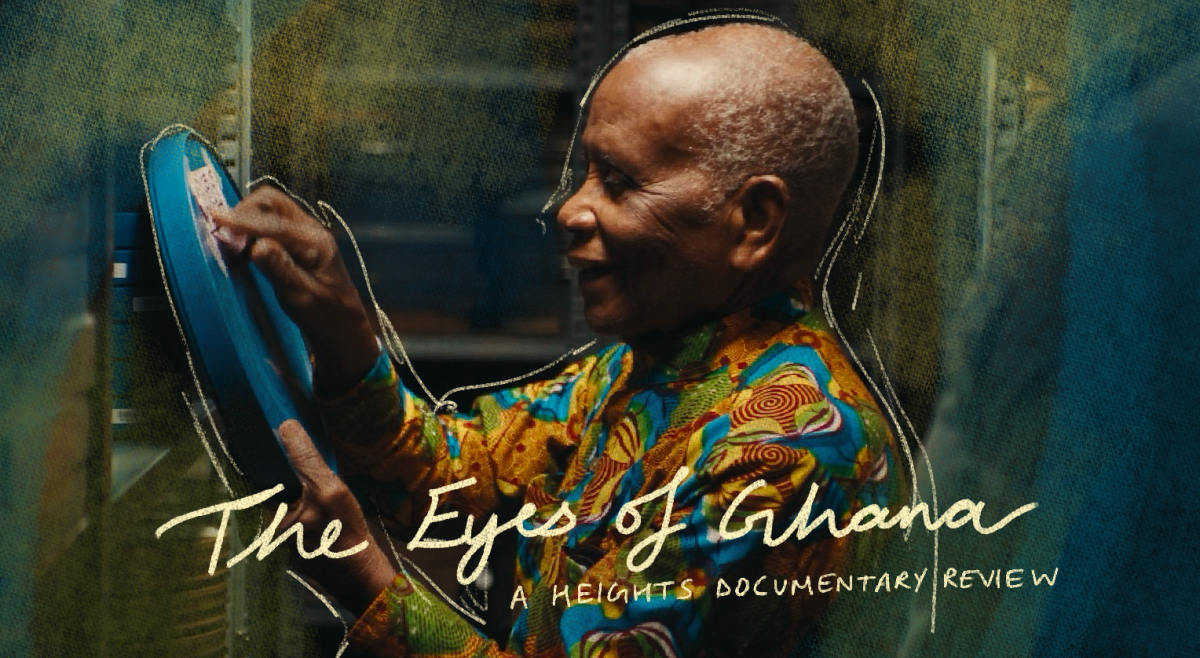
Chris Hesse is the exception. He was Kwame Nkrumah's personal cameraman and filmed the birth of independent Ghana from inside. He captured the rallies, the crowds and the speeches, the moment a continent started believing it could govern itself. After the 1966 coup, when Nkrumah's legacy was being erased, Hesse quietly protected the reels for decades.
Now, at 93 and losing his sight, he is racing to save them. The film follows that race. Its subject is a man whose whole life was about looking, and who is now losing the ability to see.
Why it matters for the next generation of Africans
A young person in Lagos, Kinshasa or Nairobi today can probably name more American presidents than the leaders who freed their own country. That isn't their fault. When your history isn't seen, it isn't taught, and when it isn't taught, it disappears. Hesse's archive answers that. It shows that African independence wasn't an abstract date in a textbook. It was organised, fought for, celebrated and filmed by Africans. For a generation trying to build its own media, its own businesses and its own politics, that changes things. You aren't starting from nothing. You are picking up something that was nearly lost.
The way the film was released makes the point too. It went free on YouTube, presented by IShowSpeed, one of the most-watched young creators on the planet. A serious historical documentary skipped the festival-and-streaming route and landed on the phones of the people who need it most. Whatever you think of influencer culture, that was a smart decision.
Why it matters for the rest of the world :
There's a comfortable story in the West that independence was granted: empires wound down and handed over the keys. Hesse's footage undoes that story. You see the people who demanded freedom, and you see their faces.
For anyone who wants to understand today's world, from debates over aid and debt to the scramble for African minerals and the rise of a young, connected African public, this is the starting point. You can't understand where Africa is going without seeing where it decided to go in 1957.
Where the film falls short :
Loving a film means being honest about it.
First, it shows too little of the archive. We get small tastes of footage the film tells us is precious, and we want to drown in it. A film about saving images should trust those images more.
Second, it goes easy on Nkrumah. It mentions his authoritarian turn but never asks the hard question: when the leader's own cameraman records the revolution, where does the record end and the propaganda begin? Young audiences deserve that complexity. Heroes can inspire you without being above question.
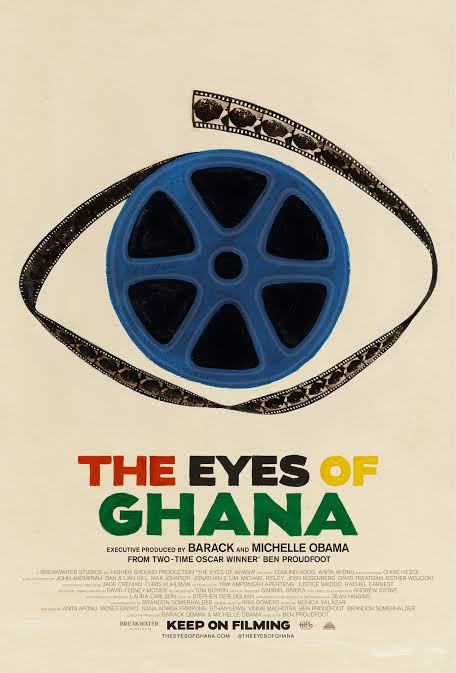
Third, there's a tension it never names. This is a story of Africans reclaiming their image, yet it reaches us through an American director and the Obamas' production company. The film is generous and well-intentioned. It also shows who still controls the means of telling African stories.
What we should do with it :
These flaws don't weaken the case for the film. They strengthen it, because they point to the work that remains, and that work is ours.
Hesse kept the reels safe for sixty years. The next step belongs to the next generation: restore them, put them online, teach them, argue about them, and make the films he never got to make. The best way to honour a man going blind is to make sure the rest of us can finally see.
Watch it. Share it. Then pick up the camera.